The People Versus Lenny Bruce ★★★

History Relevant to Today in ‘The People Versus Lenny Bruce’
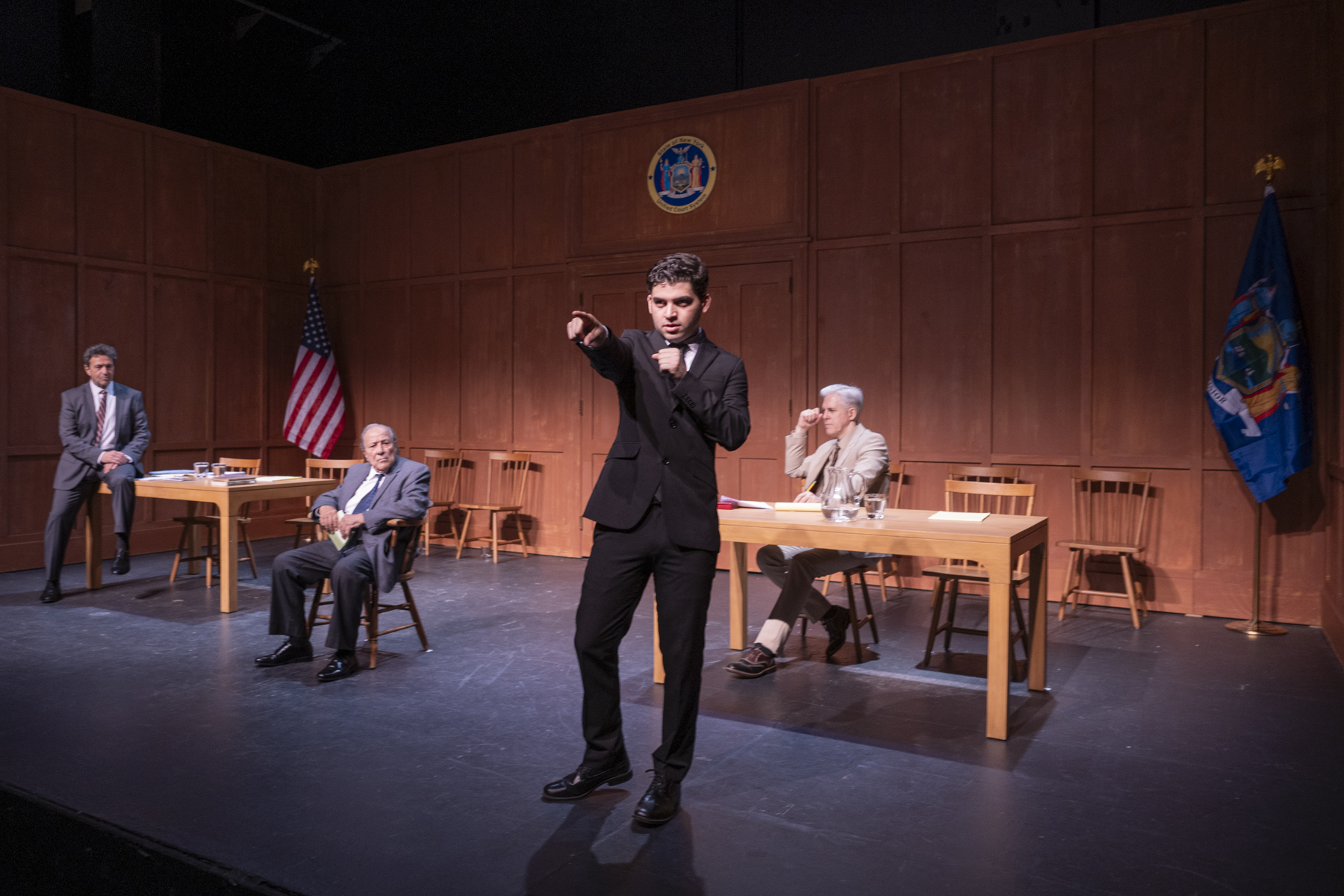
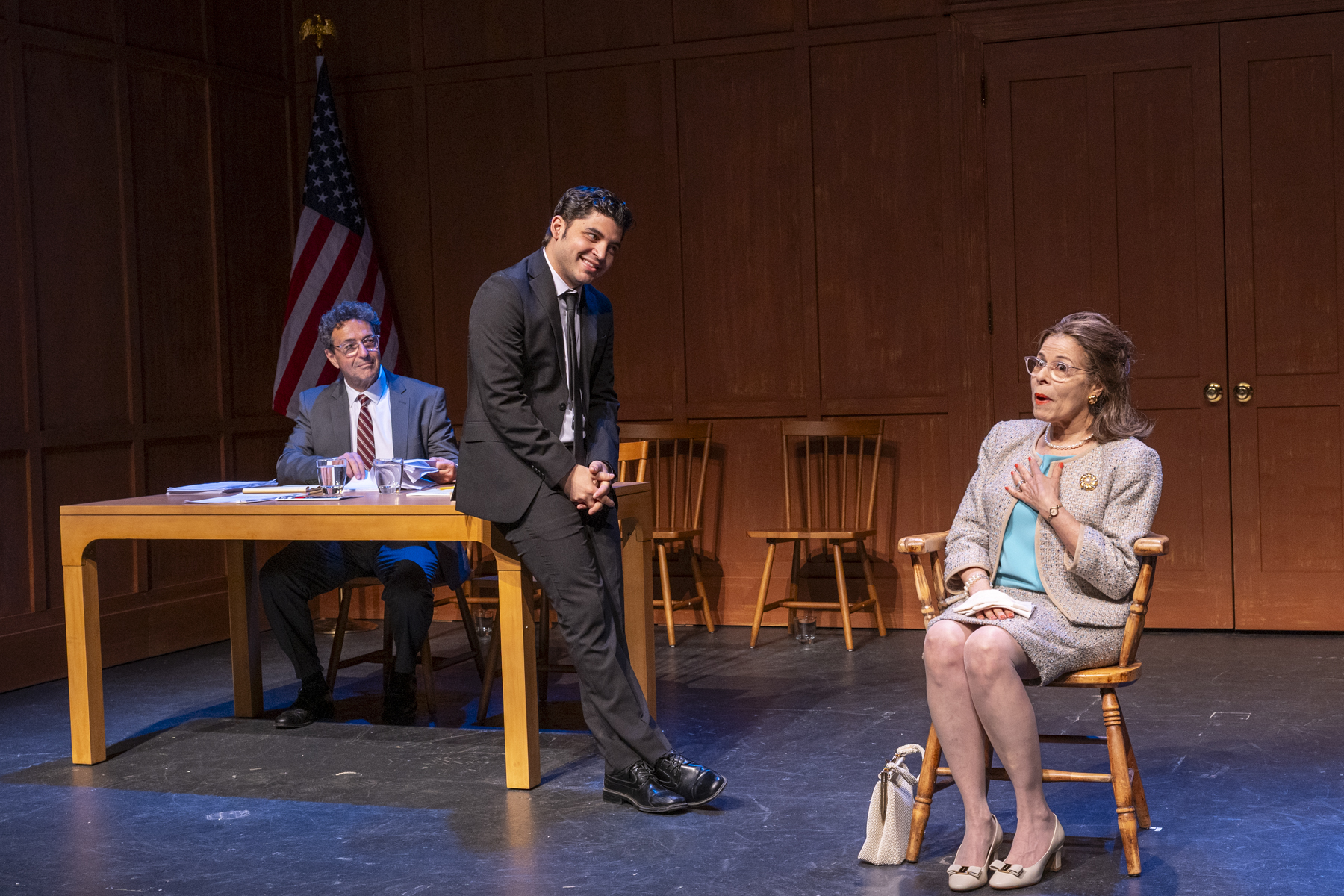
The People Versus Lenny Bruce is perfectly timed for America’s current debates over comedy and free speech. Long before Jimmy Kimmel was targeted by the sitting president of the United States, comedian Lenny Bruce faced criminal charges over things he said on stage. Playwright Susan Charlotte transports us to a 1964 New York courtroom in this new play from Cause Célèbre Productions at Theatre Row.
 
Charlotte bases her legal drama on the writings of noted First Amendment lawyer Martin Garbus, who represented Bruce in his six-month-long obscenity trial. Garbus takes the form of the play’s narrator, played commandingly by Stephen Schnetzer, who guides the audience through the dense legal case at hand.
 
“Courtrooms always remind me of stages,” he says. “The people seem like actors. And my cases always feel like plays.” Fans of the Law & Order genre might appreciate the exploration of legalese, but some may get lost when the text goes deep into the weeds, drowning the audience in exposition.
Images by Russ Rowland
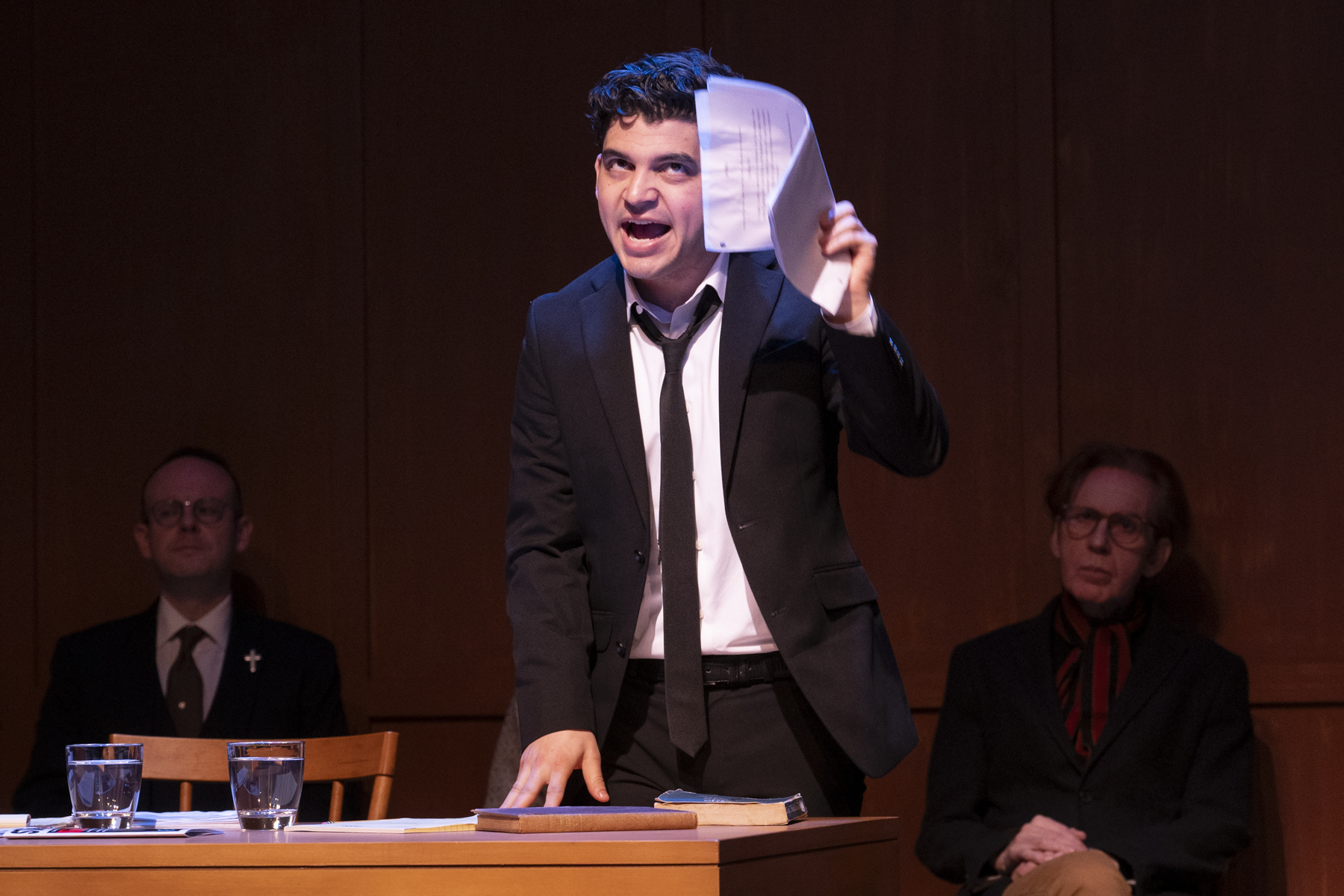
The play really shines when the focus is on the characters. Bruce (a charismatic Johnny Anthony who has mastered an old-school New Yawk accent you rarely hear these days) comes across as irreverent, impatient, vulgar, and above all else, funny. Anthony creates a fully realized figure, a man who feels and believes deeply. It’s easy to imagine the actor has captured the real Bruce, but it’s impossible to know. The comic died tragically in 1966, so his performances are mostly known through grainy black-and-white videos.
 
Also enlivening the appropriately drab courtroom are the star witnesses. Roberta Wallach brings a jolt of energy to the proceedings with her portrayal of Dorothy Kilgallen, a journalist and television personality who forcefully defended Bruce at the trial. “People must listen carefully to Mr Bruce’s words, as he is, in my opinion, not only a great performer but an extraordinary social commentator,” she says on the stand.
Timothy Doyle brings out the quirk and quick wit of cartoonist Jules Feiffer, another witness. Feiffer argues that Bruce’s work must be judged in the context of the books, films and plays of the time — the 1960s. Describing the rawness of this incredibly complex era often required salty language, which prosecutors were labeling “obscene.”
 
The question of “what’s obscene” gets a religious exploration from the third witness, the Rev. Forrest Johnson, who surprisingly was in the audience at the show where Bruce was arrested by undercover police officers. Portrayed by Jonathan Spivey, the pastor enthusiastically applauds Bruce for saying things out loud which many of his own congregants would only say in private. Bruce allowed people the freedom to laugh at themselves, Johnson argues.
 
The prosecution wasn’t buying it. Manhattan Assistant District Attorney Richard Kuh (the imposing Ian Lithgow) tries to unnerve the witnesses by frequently repeating the naughty words in Bruce’s stand-up act. In the end, he won the case, and Bruce was sentenced to four months in prison — an unheard-of punishment for a misdemeanor charge. In a shocking revelation, the arresting officer Herbert Ruhe admits: “We aimed at Bruce. We picked him out of all the performers. I knew he was not obscene … yet in a way I felt he had to be convicted.” Ruhe is played by Dan Grimaldi, who you will likely recognize from HBO’s The Sopranos.
Clearly, politicians were trying to send a message to artists: Keep it clean and be careful about who you criticize. It’s a command still being sent today, some 60 years later.

Lenny Bruce is not afraid … to challenge the system – ★★★ 3 stars

The People Versus Lenny Bruce Tickets
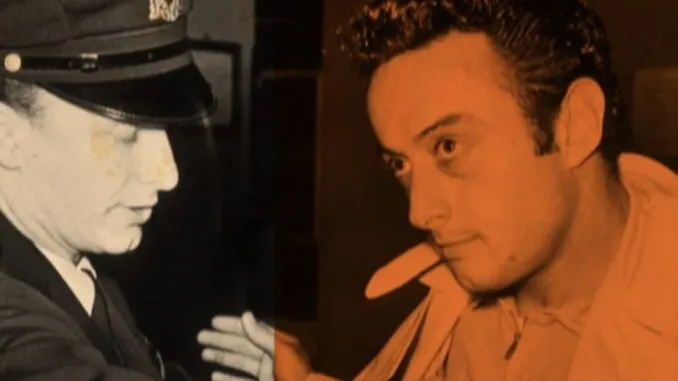
The People Versus Lenny Bruce runs at Theatre Row–Theatre Four until 30 June 2026
Book Now

Author Profile

The Recs CS - Carl Sullivan