
Jeffrey Bernard is Unwell ★★★★

Robert Bathurst returns to the immersive production of ‘Jeffrey Bernard is Unwell’, performed in the legendary Coach and Horses pub.
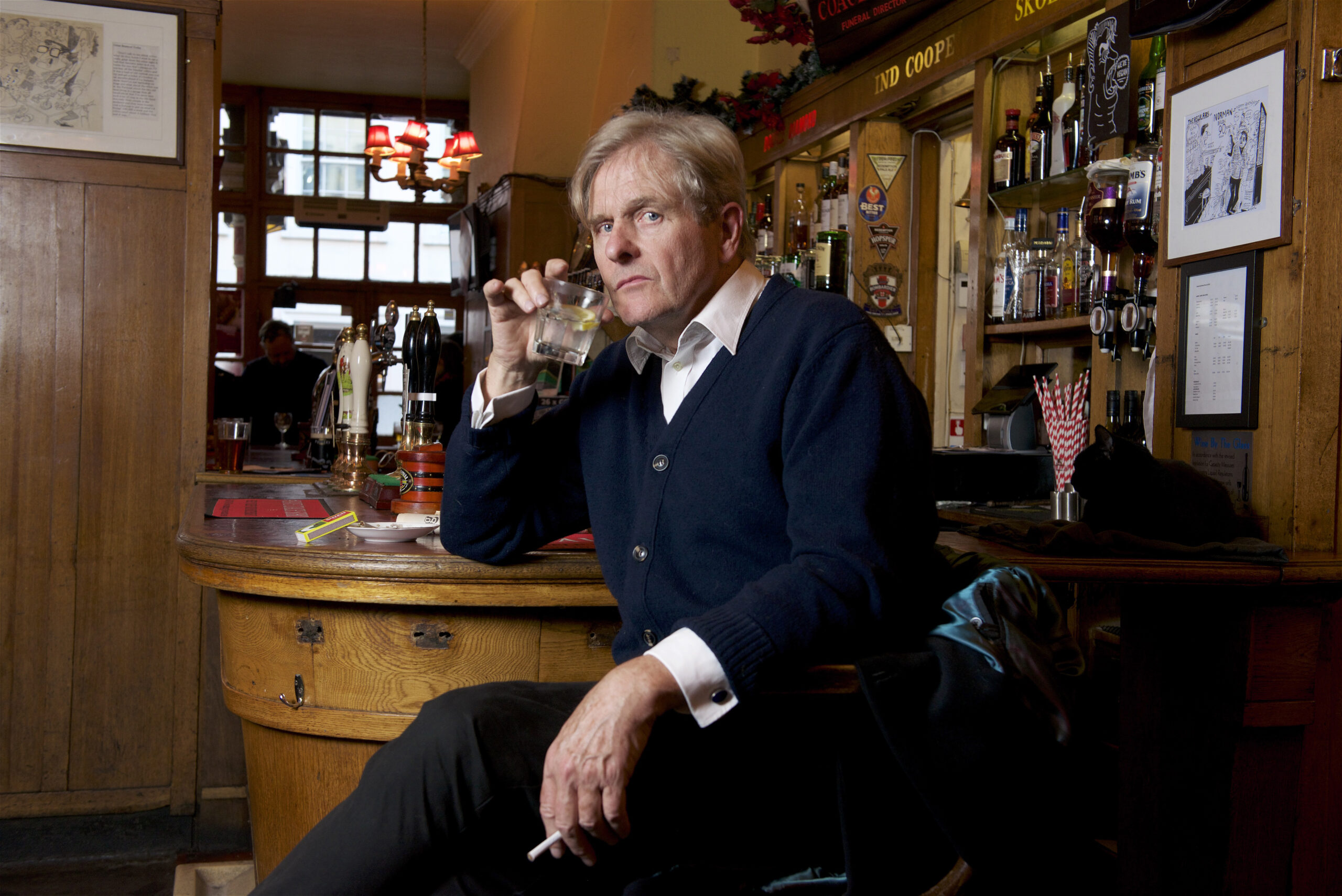
Pub theatre can be a lifeline for some drinking establishments as well as a showcase for raw talent. It can provide some welcome extra turnover for venues that are struggling in today’s economic climate, and, if you host a production based on a story set in a pub, you may be lucky enough to sell some more booze than usual as the paying punters immerse themselves in the real-life set and enjoy their roles as background extras in the show. This month The Coach & Horses pub in London’s Soho district seems to be on a win-win. It’s hosting Defibrillator and M. Green Productions‘ adaptation of Jeffrey Bernard is Unwell with the unique selling point that this is the very pub that journalist Bernard regularly frequented and where the hit Keith Waterhouse play based on Bernard’s life was set. It is now being performed as a late-evening one-man play, starring Robert Bathurst (Cold Feet, Toast of London, Downton Abbey), in the saloon bar of said establishment. Director James Hillier (Foxes, Not Talking, The Hotel Plays) has cleverly modified Waterhouse’s original text to make the play work in this crowded and intimate space. The show now runs for only an hour, and all the other characters, originally performed by supporting actors, are cut or conveyed in alternative ways, but Bernard’s best lines still remain. Can this condensed version deliver the same dark comedy and pathos as its predecessor? Well, it certainly benefits from its careful editing for today’s audiences, and Bathurst performs a witty yet casually maudlin turn, but it’s the infamous Coach and Horses that is really the star of the show.

The audience is welcomed into the pub twenty minutes before the start of the show. The bar is staffed, and Fuller’s ale is on tap. All tickets have unallocated seats, so there is a choice of where to sit in the cosy saloon bar. Will it be a bench, a bar stool or a wooden seat by a table? There are also some standing tickets for each performance if you are happy holding your pint for the duration. There is no stage, like a conventional pub theatre would have upstairs, just the pub as any of its regulars would recognise it. This setting offers a long, thin corridor between the people seated beside the bar and those at tables beside the windows onto Greek Street. The dark green and pink patterned carpet is well-worn and stained. On the other side of the bar, the Double Diamond logo is still prominently displayed on the wood panelling high above the shelves holding bottles of various well-known spirits. There are numerous framed prints of Punch cartoons and a poster from the original Old Vic and Peter O’Toole version of the show hanging on the walls. If you look closely, you can see black and white photos of the real Jeffrey Bernard in his heyday. It’s not set dressing; these are the Coach and Horses’s fixtures and fittings. You can feel the spirits around you, in all senses of the word.

Images by Tom Howard

Waterhouse’s play is based on the actual writings of Bernard, which chronicled the minutiae of his dysfunctional life, mostly through his regular articles in The Spectator magazine. His column, accurately titled Low Life, was a brutally honest yet entertaining account of his behaviour and experiences as an alcoholic, gambler and womaniser. Indeed, the magazine often had to replace the expected copy with the words “Jeffrey Bernard is Unwell” when his words failed to appear due to Bernard being inebriated or ill. Waterhouse, also a journalist as well as a very successful playwright, imagines what his addicted friend would do if locked into his favourite pub overnight. As we settle into our seats and pints, the music and lights go out, and Bathurst, as Bernard, emerges from the back of the bar into the gloom. Almost immediately he has us laughing at his situation as he explains how he has just woken up in the toilet, having passed out there after another long drinking session. It’s the middle of the night; it’s dark, and the pub is locked. Bernard cannot get hold of Norman the landlord using the phone behind the bar, and so he decides to make the best of his position. Over the course of an hour he entertains himself (and us) with anecdotes about his life whilst helping himself to Smirnoff from the pub’s optic and smoking non-stop. He tells stories about his drinking, his various marriages, the romance of inhabiting Soho and living the bohemian lifestyle, being thrown out by another girlfriend, and being prosecuted for running an unlicensed bookies in the pub. He imagines what his obituary might say and reflects that it would probably include lines about sloth, envy and self-pity.

Bernard’s reminiscences are here brought to life by the words and actions of Bathurst rather than with the help of other actors in the room. Hillier has neatly introduced some of the original characters, mostly ex-lovers, using the device of old cassette tapes containing answering machine messages, found within a battered suitcase out of which Bernard has been living since being evicted by another woman. Now the probing interviewer is replaced by cue cards being proffered to one of the crowd, requesting them to ask the questions. Gambling on cats rather than nags is entertainingly re-enacted along the narrow corridor of action with the help of the audience and amusing props. Other people are simply referred to during the meandering monologue.

Bathurst is no stranger to this story. He is reprising his role as Bernard, having previously played him in this venue for four sold-out short runs. He is also the show’s executive producer and won the award for 2024 Pub Theatre Actor of the Year for his performance. He offers a sensitive, though one-note, version of Bernard that is crumpled, louche, stuttered, wistful and unrepentant. Dressed in a wrinkled casual jacket and open-necked shirt, clutching and sucking the latest cigarette, he constantly moves around the pub as he recounts Bernard’s musings. One minute he is doing tricks beside the audience, and the next he is on the other side of the bar trying to ring Norman and pouring another drink. He is adept at engaging with the onlookers, often in very close proximity to him, and a few of them are already well-oiled. He is not afraid to throw in some ad libbing as necessary when the occasional audience interaction doesn’t go according to plan.

This award-winning and enjoyable production is not an advert for drinking responsibly, but it certainly raises the spirits. The atmosphere of the Coach and Horses, and Bathurst’s authentic rendering of the alcoholic hack, bring the whole show to life. Bernard may be long dead now, but he must be looking on from his regular position by the bar, with a vodka on the rocks in hand, smiling at how amusingly his dissolute life has been portrayed and enjoying the notoriety this show continues to bring him.

Intimate, inebriated, and irresistibly immersive – ★★★★ 4 stars

Author Profile

The Recs JDH