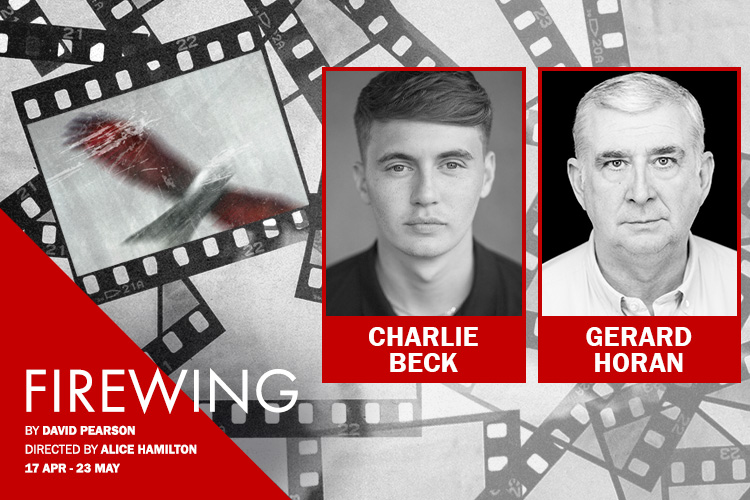
Firewing – Hampstead Theatre ★★★★

In a remote lakeside cabin, a renowned wildlife photographer and his inexperienced apprentice pursue something elusive in ‘Firewing’
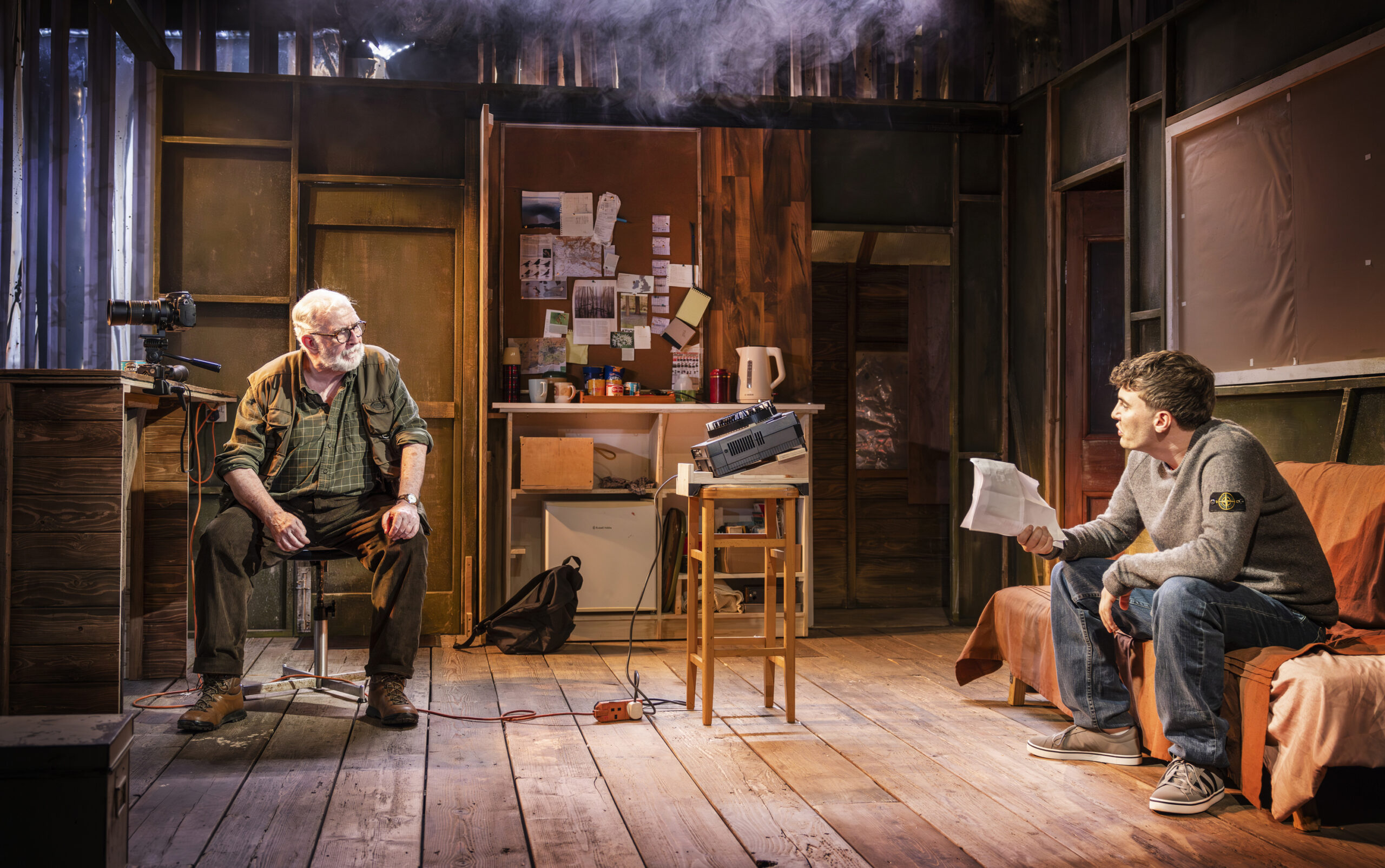
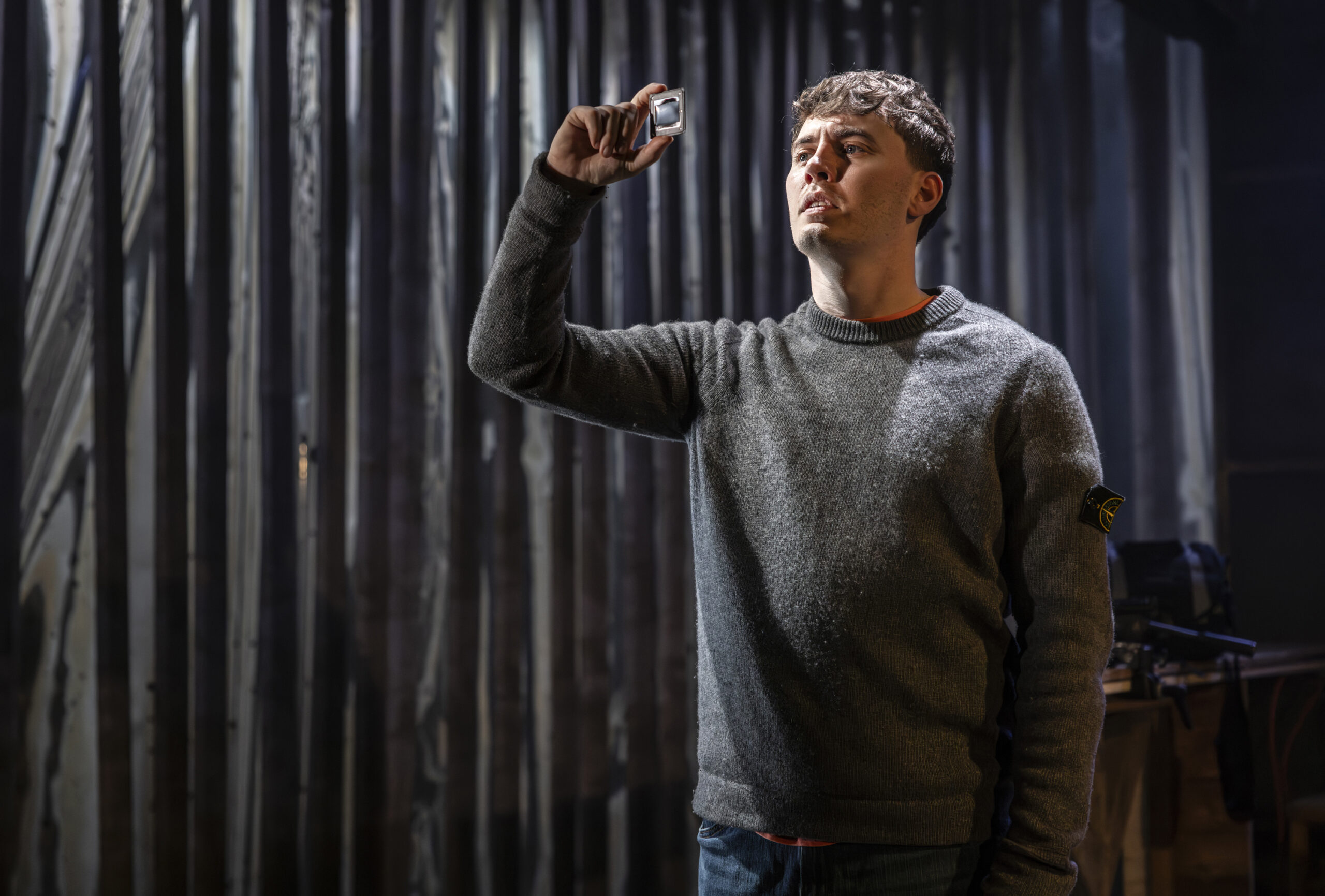
How do you captivate and educate an audience on the subject of wildlife photography? This may not necessarily be a topic that immediately comes to mind when thinking of a play; however, writer David Pearson has skilfully crafted Firewing, a dramatic piece that frames two characters in a remote hide (a camouflaged structure intended to conceal photographers so they can take close-up images of animals without disturbing them). In this dilapidated building in the middle of nowhere, grumpy, acerbic Tim (Gerard Horan), a seasoned and renowned wildlife photographer, meets Marcus (Charlie Beck), a young, naïve apprentice who arrives late on his first day of work. It is clear from the inception that there is friction and tension that often exists when two different generations collide. Tim, a Baby Boomer, has very traditional ideas and immediately asserts his power of age and perceived rank over the young Gen Z. The term “son” is used in a diminutive way, almost implying that Marcus is nobody, a nothing.

Images by Pamela Raith

Tim is a loner and rather like an aging or wounded animal who has lived in isolation for too long. He shouts commands and is verbally harsh, pedantic, mocking, and verges on the abusive, calling Marcus a range of insulting synonyms for his seeming lack of intelligence. There are no ‘pleases’ and ‘thank yous,’ as a comical tea-making scene shows, and Marcus is constantly on the back foot trying to understand the rules (“Rules one, two, and three: DON’T TOUCH THE CAMERA!!”). 

Marcus struggles to navigate his way around the confines of Tim’s dilapidated space, which also serves as home; he is incredulous that the toilet does not work when he is told to use an outdoor compost heap, let alone the lack of basic cooking facilities apart from a kettle, and is horrified to see Tim eating cold baked beans from a tin!

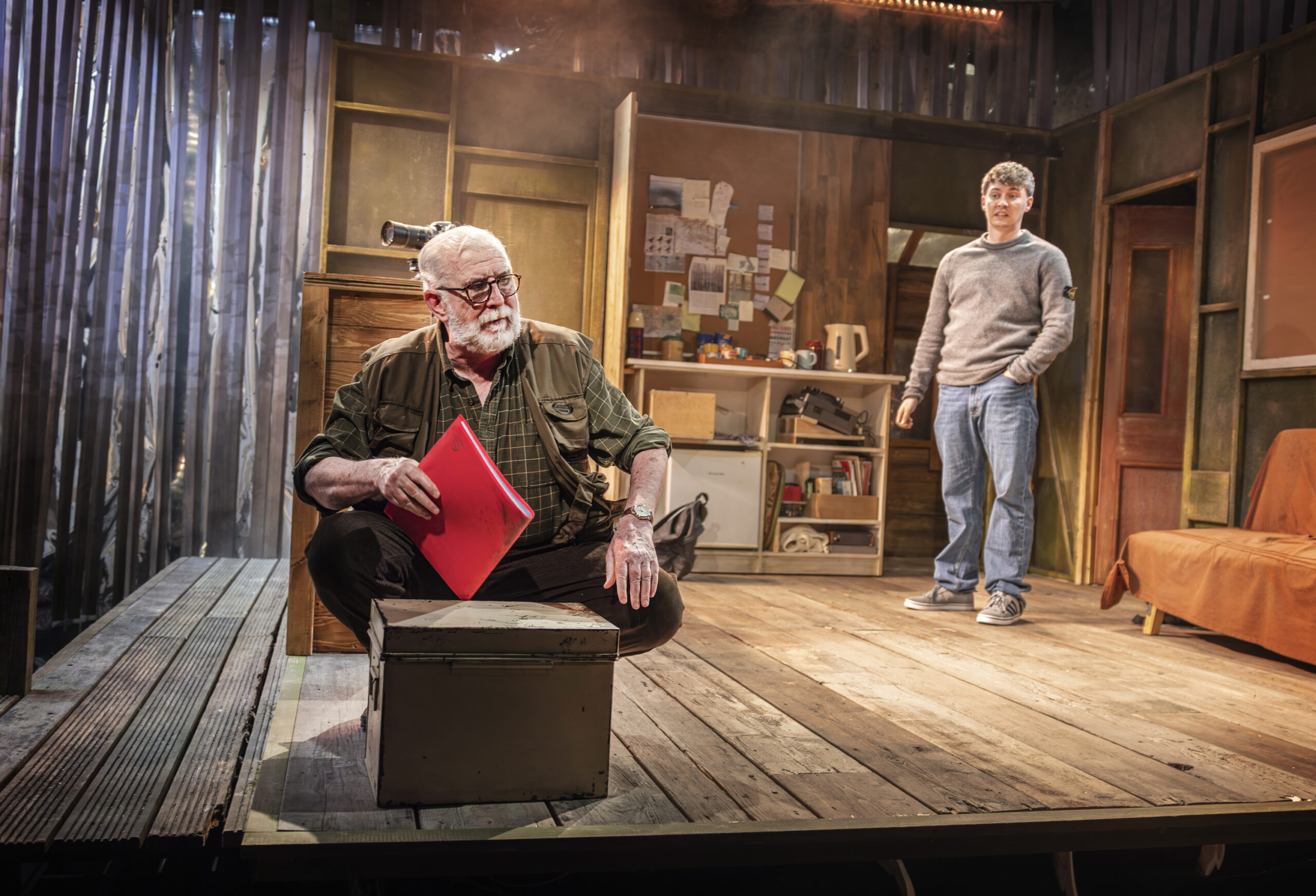
Marcus has to contend with learning photographic terminology and techniques delivered by Tim in a very pompous style. There is also Tim’s huge training manual, which Marcus has to read before he is even allowed to think about taking a photograph. Marcus’ youth and inexperience are seemingly marked by his impatience to get behind Tim’s precious and expensive camera, and he seems to want a fast-track version of photography training. Ironically, he is less enthusiastic to discuss how he captured an impressive shot of a fish eagle ten years before, and this is mysterious to Tim, who is unable to let go of wanting a detailed account.

There are parallels drawn in the animal kingdom: Tim as the powerful elder who has dominion over his surroundings yet is a fading king. There is a sense of having a responsibility to have perspective and show it to the world, but the urgency to impart his knowledge and experience gains momentum in his frustrations and barking commands. It is as if time is running out…

Marcus, as the young usurper challenges Tim’s authority. He is resistant and somewhat rebellious. Exasperatingly unfocused, he is distracted by the extraneous rather than the subject at hand.

The repeated motif of birds of prey is cleverly used; while Tim seems to have Marcus in his clutches and persistently pecks away at him, particularly regarding the Fish Eagle photograph, Marcus, with hidden agendas of his own, is circling, and the tension grows: who is predator and who is prey…?

Within the dialogue, the subject of ethics within photographic observation, documentation, and “disturbing the truth” is discussed. As a photographer cataloguing a moment of truth, when, if ever, is it morally correct to intervene? The word “truth” is also examined, particularly Tim’s most epic piece of photography being denounced as a fake by the wildlife photography community.

Within the discussions are instances of tuition on how to capture moments, and the script gently shows the transitions in the relationship between the two characters. There are two scenes where the timeframe switches, which highlights that Marcus and Tim have things in common, including their sources of emotional pain. The growing realisation brings empathy and compassion to the point at which the diminutive use of “son” transitions into respect and affection.

This is a beautiful creation with an unusual subject. Last year, Pearson entered this play as part of his application to the INSPIRE program at the Hampstead Theatre and developed it whilst on the course. He was championed by the play’s director, Alice Hamilton, and an innovative piece has emerged which at its heart educates as to what it is that makes wildlife photography special, its importance, and its challenges. The play will delight not only enthusiasts of the subject but also everyone who enjoys well-crafted dramas with emotional depth. Horan and Beck work together very well.

The staging design is superb. A confined, intimate space is well presented in the use of brown, dingy, dilapidated furnishings and corkboards haphazardly covered with proofs and prints. The music used for the scene and set transitions was quasi-house and did not seem to fit the isolated environment depicted. However, this does not detract from the production in any way. 

Four world-renowned photographers are mentioned in the program, and the standout quote comes from Marina Cano, who states, “Photography leads us to love, and love leads us to conversation.”

Firewing is that conversation.

Power, truth, and a loaded camera ★★★★ 4 stars

Firewing Tickets

Firewing runs at the Hampstead Theatre until 23 May 2026

Book Now

Author Profile

The Recs GH