Pride – Bridge Theatre ★★★★

Painted signs and picket lines: ‘Pride’ at the Bridge Theatre protests with jazz hands and journalism.
Pride at the Bridge Theatre has transferred from the National’s Dorfman Theatre after a sold-out run ending in September this year. Based on the 2014 hit film, Pride, this musical celebrates an unlikely solidarity between two groups deeply affected by Thatcher’s Britain: the Welsh miners and the LGBTQ+ community. Staging this iconic story, of course, stirs up some nostalgia, but more importantly, readdresses the current need for community in a divided society. However, it’s up for debate whether a musical is the best way to translate this film for the stage. With such a moving message, there is a worry that song and dance could dilute, or worse, parody this important piece of history. Luckily, the production is in safe hands with original film writer Stephen Beresford and director Matthew Warchus taking the lead once again.

Image by David Hindley

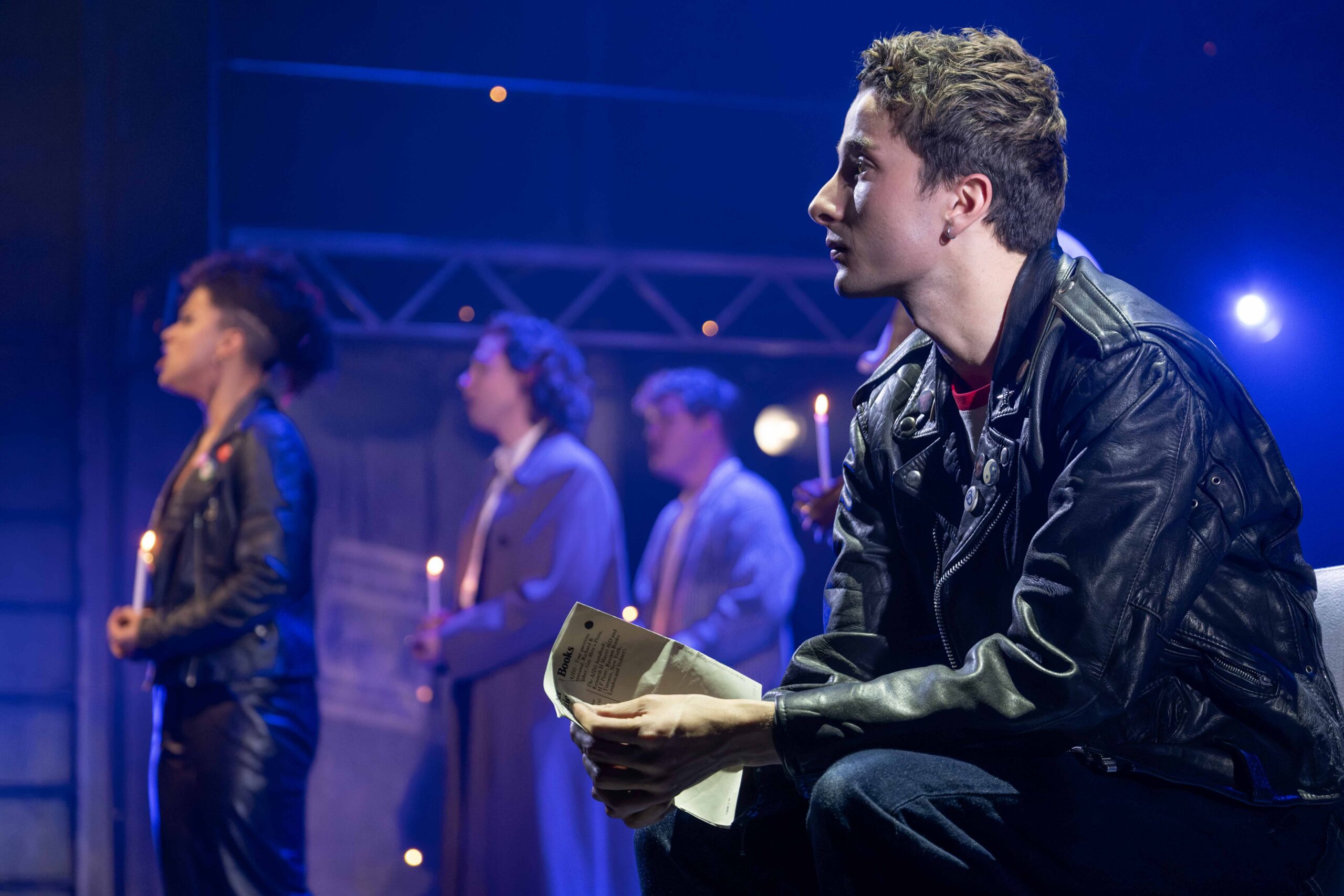
It’s Pride in 1984. Hearty, headstrong, Northern Irish, gay communist Mark Ashton (Ryan Kopel) is astonished that no police have come to terrorise his community at the march, instead realising that Thatcher has deployed all her brute force to the miners’ picket lines. This is the beginning of a wholesome allyship between two oppressed communities that originally wanted nothing to do with each other. Mark sets up LGSM – Lesbians and Gays Support the Miners – with the help of an eclectic friend group that live above a queer bookshop called Gay’s The Word. The production spans a year exactly, from June 1984 to June 1985, when LGSM raise thousands for the miners on strike as an offering of solidarity against Thatcher. Of course, LGSM faces an all-too-familiar homophobic backlash from the traditional mining village – but with disco and determination, anything is possible.

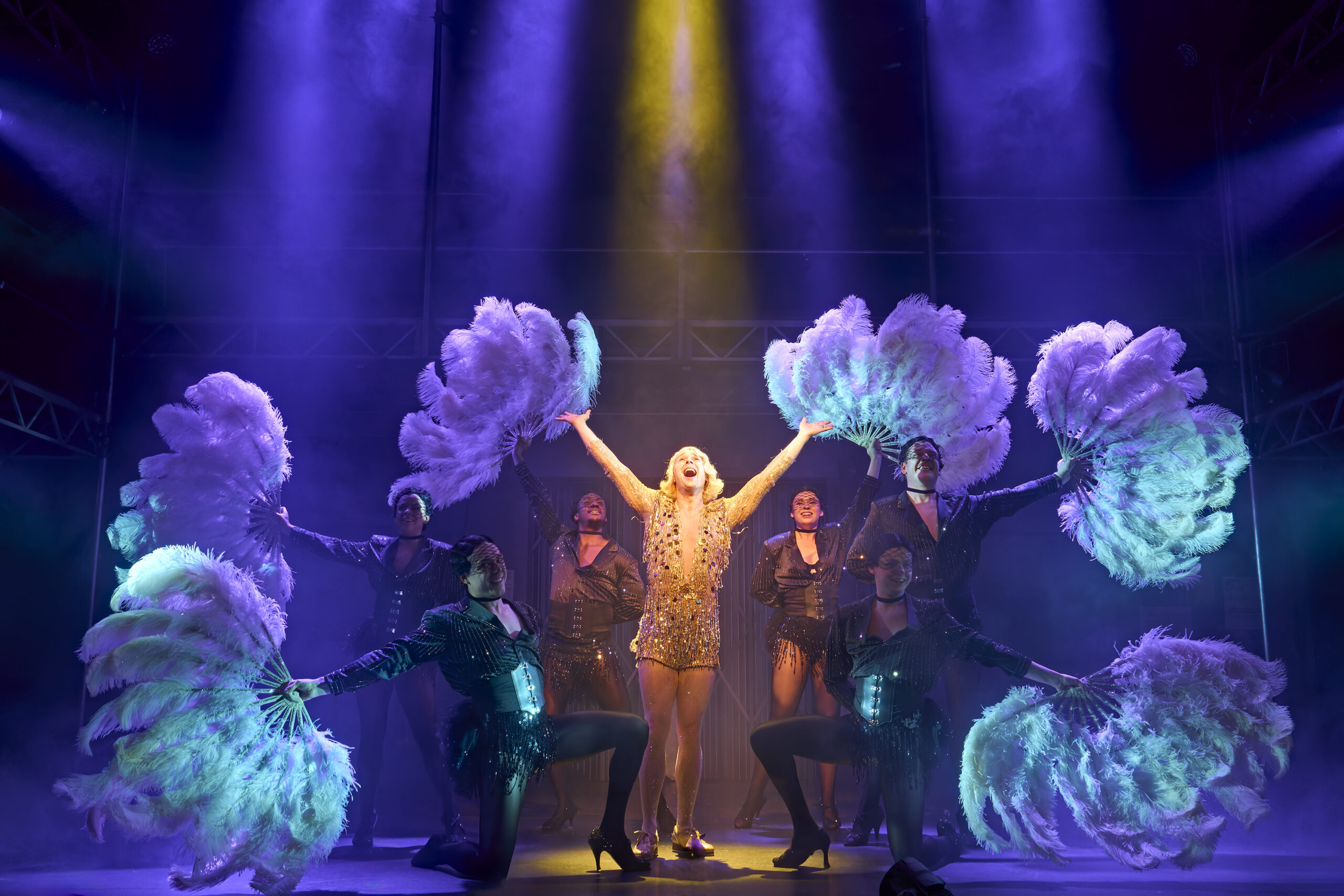
In terms of the production’s similarity to the film, there seems to be more space given to some peripheral characters that have gained posthumous success after the film’s release. Bromley’s (Dan Hand) ‘baby gay’ coming out storyline feels less prominent on stage, while Jonathan’s (Samuel Barnett) journey with his AIDS diagnosis is given far more time here; the stage adaptation involves a drag-infused fan dance called “You Might As Well Live”. It’s an empowering way to explore such a horrendous topic without stepping too close to self-indulgence, at the same time being incredibly entertaining.

At the expense of the boys getting more stage time, however, there is only one lesbian in the primary group, as opposed to three in the film. It’s a shame that the last lesbian standing, Steph (Courtney Stapleton), does a lot of plot-speaking and righting the boys’ wrongs. It would have been nice to see more of the L in LGSM.

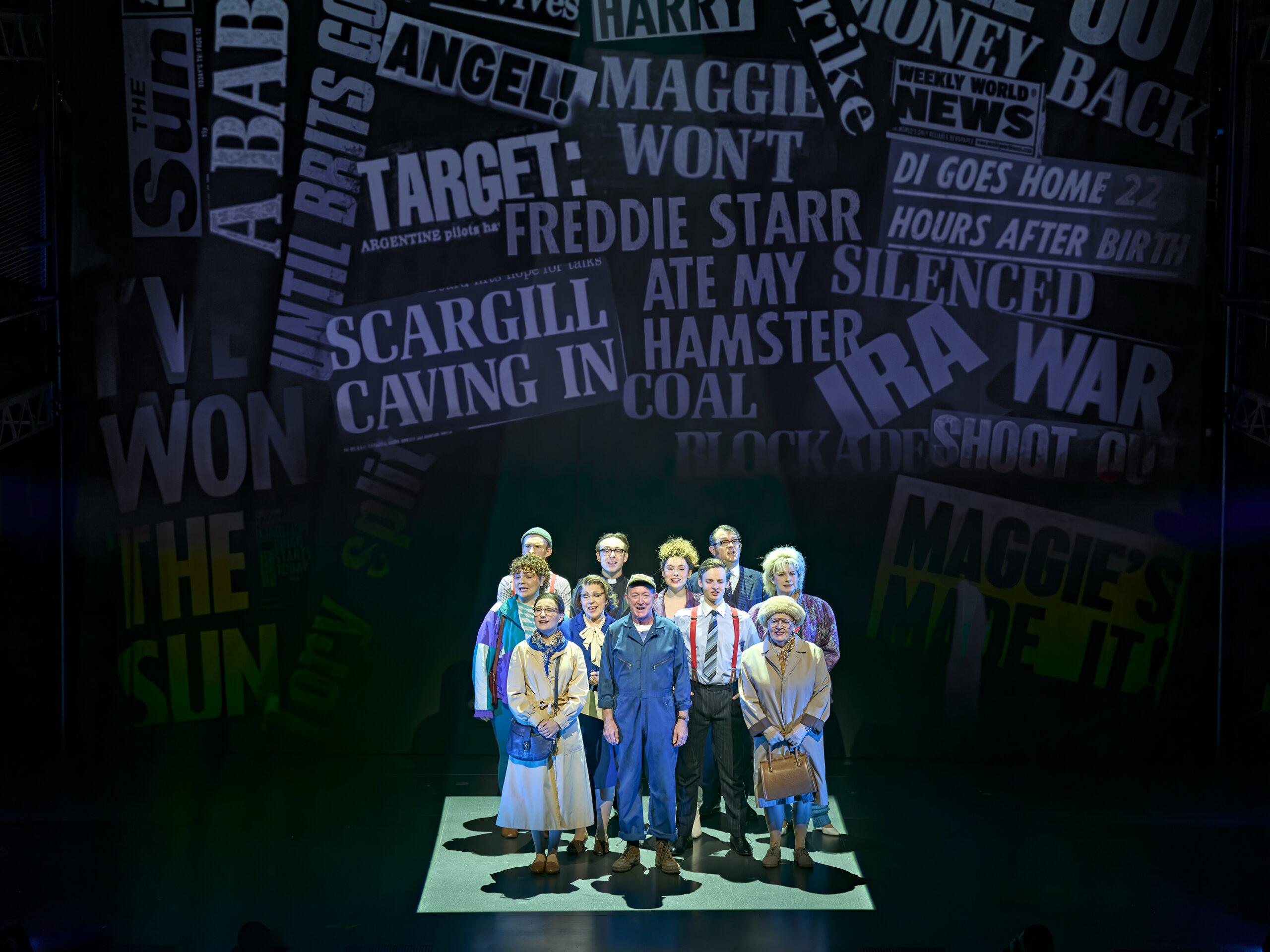
Bunny Christie’s design is unexpected, and it works. When you think of Pride, maybe you think of glitter and rainbows, leg warmers and tutus, flags and fireworks. However, Christie actually hones in on the harsh, gritty realism of being a young gay man kicked to a London curb in the 80s, or a mining town girl with no self-belief but tons of domestic responsibility. The stage has an industrial aesthetic, with very little extravagance. If anything, it’s designed to be the opposite of a modern Pride parade – more of a punky DIY feel – to reflect a different, more empowered attitude when this was all kicking off. It really was hand-painted banners and sandwiches in a biscuit tin.

Christie’s design helps the political storytelling very well too, because the script and song can feel dangerously close to cliché, with all the lineup blocking and expository dialogue, spoken to the golden circle. The protest scenes, however, can be very emotional. In the final scene, Mark Ashton’s secretary and ‘flamekeeper of the revolution’ Mike (Matthew Durkan) narrates the end credits of the movie while overlooking the thousands of miners who had shown up to Pride in support of LGSM. It initially feels like a weird turn into the supernatural, with all this prophesying, but they get away with it because everybody knows this is a true story. With the help of great, simple design, a beautiful original story and authentic roots, Pride: The Musical succeeds in its objective to liberate.

Unfortunately, there are two hindrances to this production’s total success. Ryan Kopel’s performance of the brash and bold Mark Ashton feels neglected and disappointingly small, making it difficult to believe he could be the face of a revolution. Faulty character choices crop up in lots of places throughout the show. Then, you have the misplacement of pull-quotes from the film. Some scenes feel a little… decorated with iconic lines taken straight from the film script and into this one. This is not inherently wrong, but these moments have a tendency to dent your suspension of disbelief slightly – pulling you out of the musical and into the film. In the first bus journey LGSM takes to Wales, Steph sings the iconic “Every woman is a lesbian at heart” chant, teasingly, but it doesn’t really land. It’s because without that chant, that bus scene means nothing; it has no purpose – we don’t really need to see them driving to Wales. It feels as though Beresford and Warchus have decided to make that little scene around the chant, rather than taking the words and using them elsewhere. It may seem trivial, but there are a few too many moments where scenes appear built around a grabby quote, unfortunately disrupting your ability to fully engage.

All in all, Pride: The Musical is a success for its ability to provide a great night out while exposing a powerful story. It’s undoubtedly a wonderful message that will tug at the heartstrings, with tasteful layers of entertainment value that salvage it from falling into a creaky, indulgent performance. And who doesn’t love a true story of enemies coming together? The design is thoughtful, and it’s a refreshing take on the film to have some more focus on the miners. They speak and sing in Welsh from time to time, and the valley girls get a fun (though slightly mumbled-through) song of their own inside the basement of a gay club in Soho. However, it cannot be overlooked that the production doesn’t feel entirely polished. Pride excels in its storytelling, but falls short on a few basics.

Lacking some polish, but no less proud ★★★★ 4 stars

Pride Tickets


Pride runs at the Bridge Theatre until Sat 8 May 2027

Book Now

Author Profile

The Recs EM - Erin Muldoon