August Wilson’s Joe Turner’s Come and Gone ★★★★

The Long Road North in ‘August Wilson’s Joe Turner’s Come and Gone’
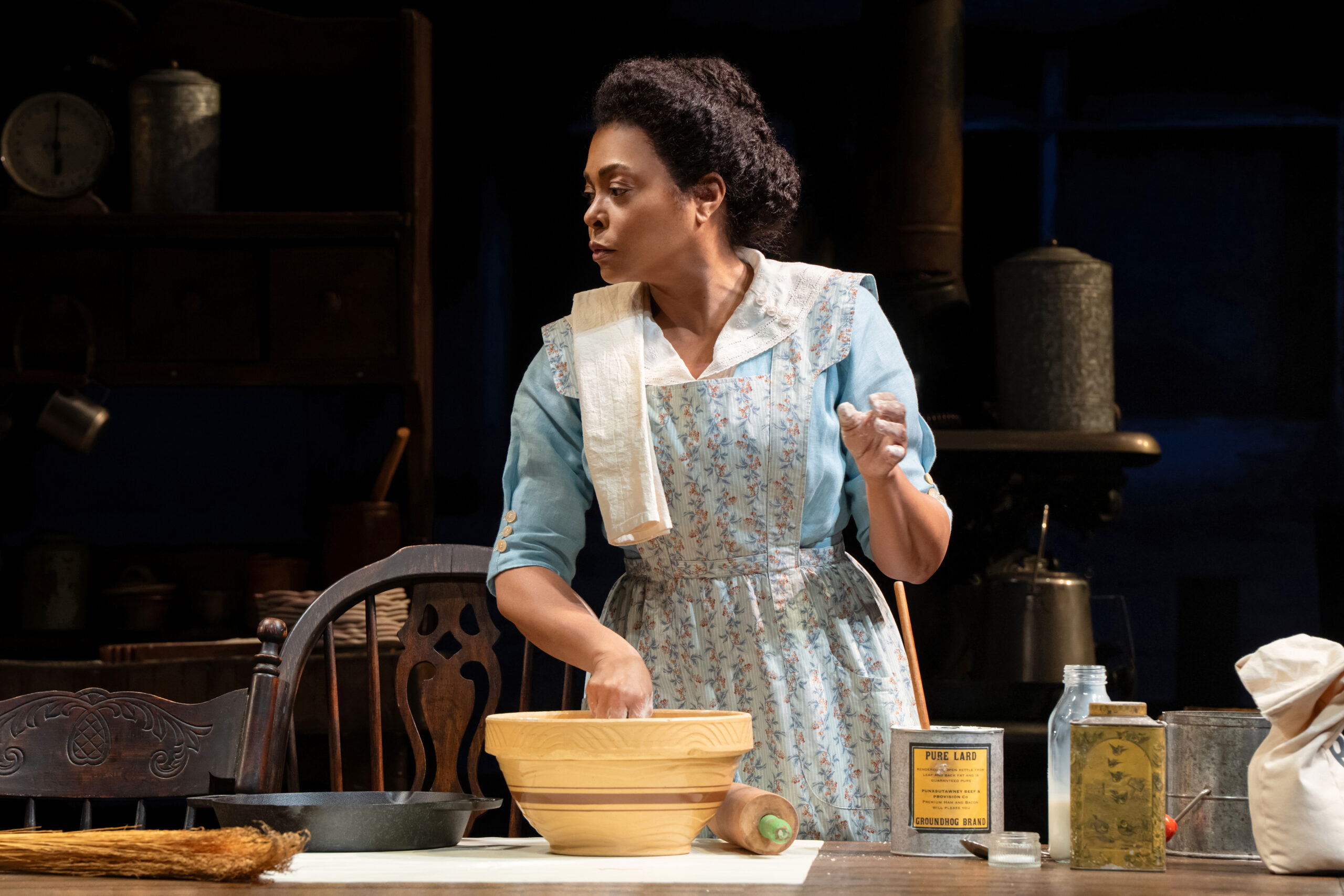
Joe Turner’s Come and Gone is one of August Wilson’s richest and most spiritual plays. Part of his celebrated Pittsburgh Cycle (also known as his Century Cycle, as each of his ten plays are set in a different decade of the 20th century), it’s set in 1911 at a boarding house during the Great Migration, the mass movement of approximately six million Black Americans from the rural American South to urban centers in the North, Midwest, and East. And though Fences may be the most popular and produced of his plays, among Wilson aficionados, Joe Turner’s Come and Gone is frequently considered his masterpiece. Last seen on Broadway in 2009, its return is most welcome.

Images by Julieta Cervantes

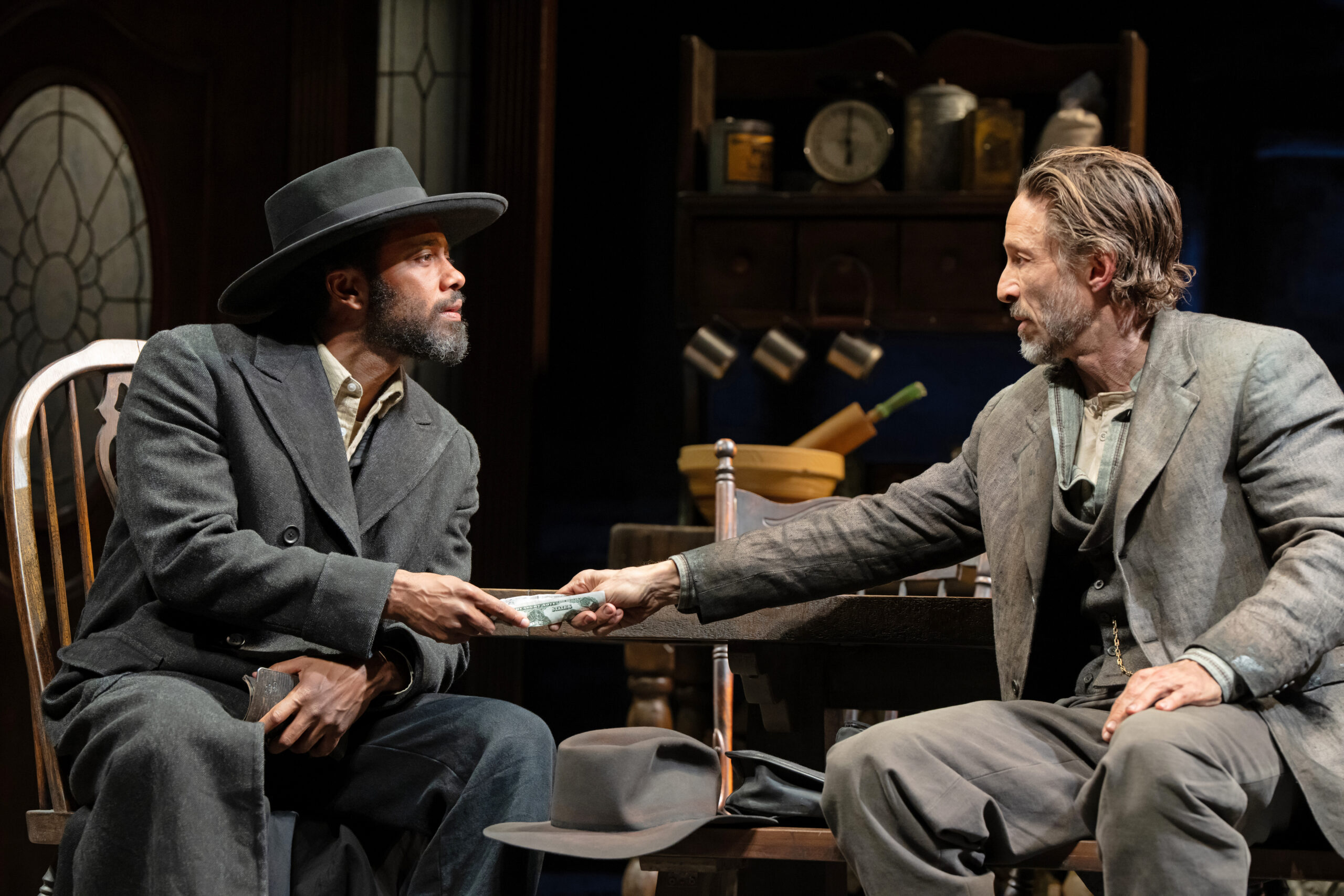
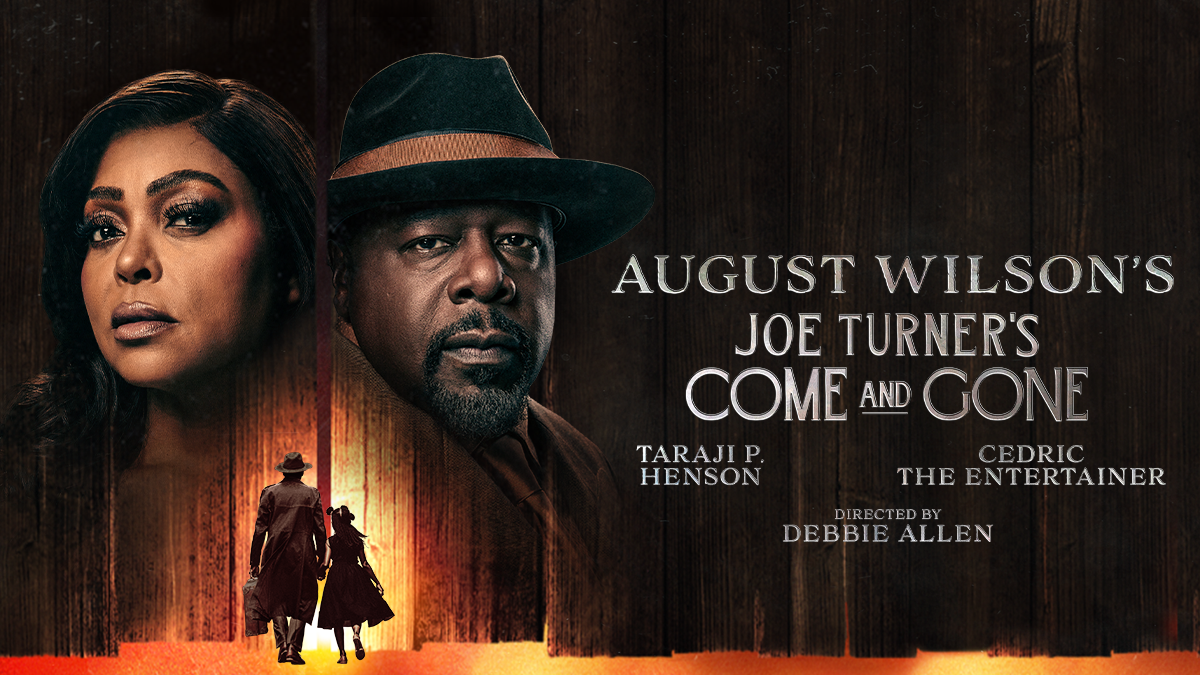
Headlined by Taraji P. Henson (excellent) and Cedric the Entertainer (hilarious and commanding), this revival succeeds in many ways but too infrequently ascends to the great heights of Wilson’s words. At certain moments, artistic symbiosis does occur, particularly in scenes centered around Ruben Santiago-Hudson’s Bynum Walker. Santiago-Hudson, a veteran Wilson actor who broke through thirty years ago in his Tony-winning performance in Seven Guitars, grabs Wilson’s poetry and makes it soar in his first monologue, his recollection of his first meeting on the road with the “Shiny Man”:

“Turn around that bend and everything look like it was twice as big as it was. The trees and everything bigger than life! Sparrows big as eagles! I turned around to look at this fellow and he had this light coming out of him. I had to cover up my eyes to keep from being blinded. He shining like new money with that light. He shined until all the light seemed like it seeped out of him and then he was gone and I was by myself in this strange place where everything was bigger than life.”

That transcendent moment is rarely equaled afterward, resulting in an uneven production that is good, often very good, but too seldom distinguished. Joshua Boone as the haunted Herald Loomis and Abigail Onwunali as his missing wife both give strong performances; a few of the other supporting performances, however, aren’t yet up to snuff, though it’s likely that they will improve as the run continues. Also, and oddly, director Debbie Allen, long renowned for her choreography, seems least confident in the scenes when the large cast is together assembled.

Nonetheless, any revival of Joe Turner’s Come and Gone is an event not to be missed, and all the designers — scenic designer David Gallo, costume designer Paul Tazewell, lighting designer Stacey Derosier, and sound designer Justin Ellington — do Wilson’s work proud. 

A worthy journey, if not quite a rapturous one. 

★★★★ 4 stars

Joe Turner's Come and Go Tickets


Joe Turner's Come and Gone runs at the Barrymore Theatre until 26 July 2026

Book Now

Author Profile

The Recs RDC - Randall David Cook