La Cage aux Folles – New York City Center Encores! ★★★

‘La Cage aux Folles’: Facing Life with Guts and Glitter
New York City Center Encores! ended its 2026 season with La Cage aux Folles, the much-beloved and heavily sequined Jerry Herman/Harvey Fierstein musical that has accumulated plenty of shiny laurels over the years. It won the Tony for Best Musical when it premiered in 1983 — a decision that remains controversial among Sondheim devotees, as it was up against Sunday in the Park with George — and later won Tonys for Best Revival in 2004 and 2010. Given its pedigree, of the three Encores! shows this season, La Cage is the one that had the highest expectations for a possible Broadway transfer, especially when it was announced that Billy Porter and Wayne Brady had respectively been cast as Albin and Georges. 

That’s not gonna happen. At least not as is.

Images by

And that’s all right. Encores! is the place where artists like director Robert O’Hara, Tony-nominated for Slave Play, should try out bold ideas on shows that are already in the canon. In this case, alas, too many of O’Hara’s ideas work against the internal logic of the material.

When new approaches work, they can be game changers for works that seemed stodgily out-of-date, such as Cats, now critically acclaimed and running on Broadway as Cats: The Jellicle Ball, and the most recent revival of Oklahoma, which director Daniel Fish stripped down to reveal the violent undercurrents of the American pioneer myth.

At the same time, a classic can temporarily be besmirched by a director determined to put a different stamp on a project, such as the most recent revival of Cabaret directed by Rebecca Frecknall, a production that received decidedly mixed notices from critics and prematurely closed after its final emcee — Porter, coincidentally — left the show with an illness.

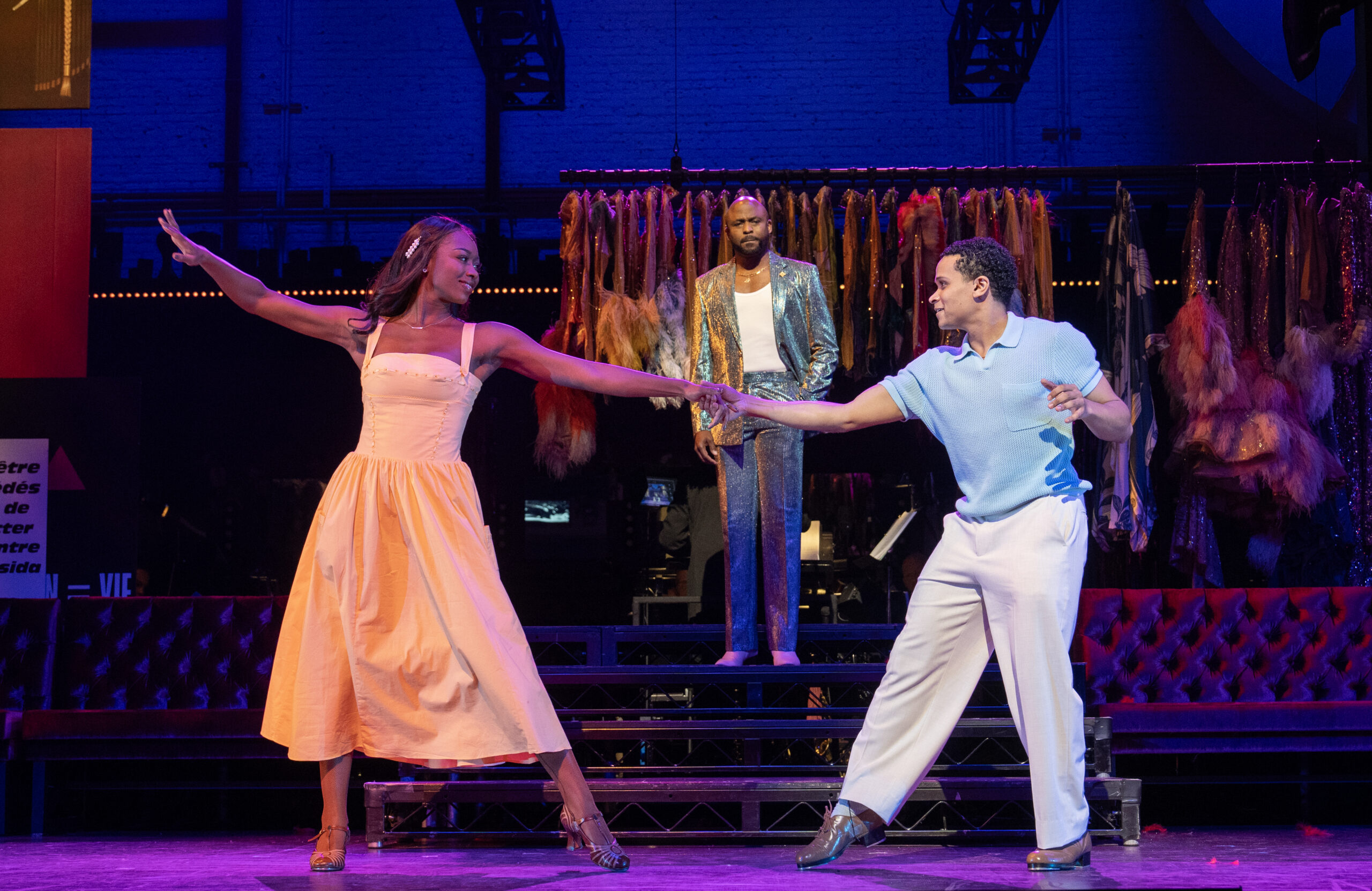
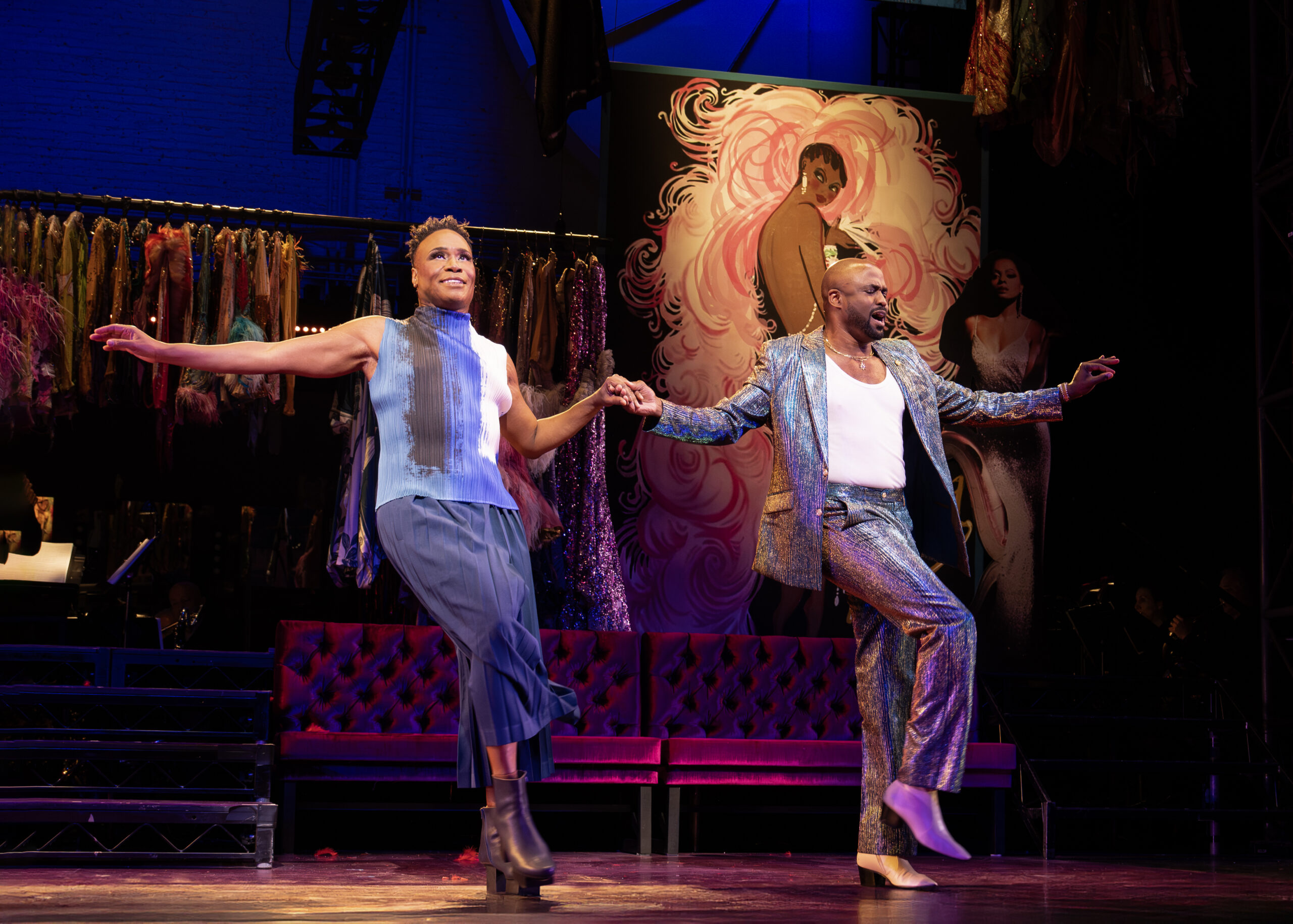
Fortunately, Porter recovered and is gracing New York stages again. He and Brady play a middle-aged gay couple who run the titular Saint-Tropez drag venue and are forced into a hilarious charade when their son Jean-Michel (Alaman Diadhiou) asks them to masquerade as straight to impress his right-wing parents-in-law to-be.  

Porter is grand as Albin, which is itself the grandest of parts. Really, four: off-stage Albin, devoted partner and father; Zsa Zsa, the drag diva star of La Cage; the stand-in mother when Jean-Michel’s biological mother Sybil is a no-show; and, briefly, after lessons in how to act like a man, Uncle Al. Porter makes a five-course meal out of each one and doesn’t miss a beat — except for the occasional slip from losing his place in the script; both he and Brady were still on-book for the dialogue-heavy sections of the show at the final performance — and though his voice often sounded strained, he acts as if he’s delivering Maria Callas at La Scala. The performance works.

The wildly charismatic Brady makes an excellent match for Porter; the two play extremely well off of each other, and he sings Herman’s superb, catchy score beautifully. Their household is completed by the hilarious James Jackson Jr. as Francis, the butler who prefers to be called the maid and dreams of one day performing at La Cage.

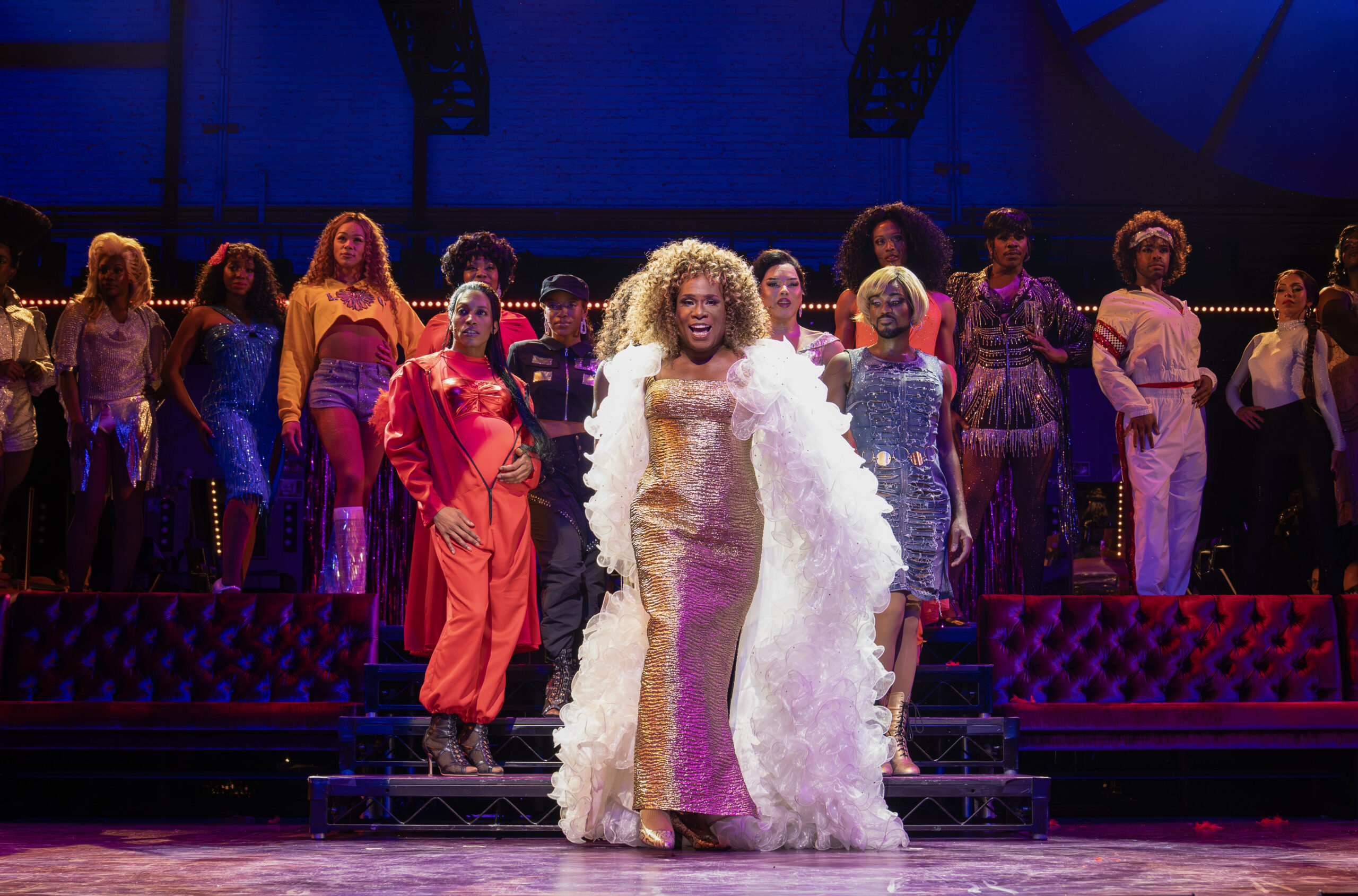
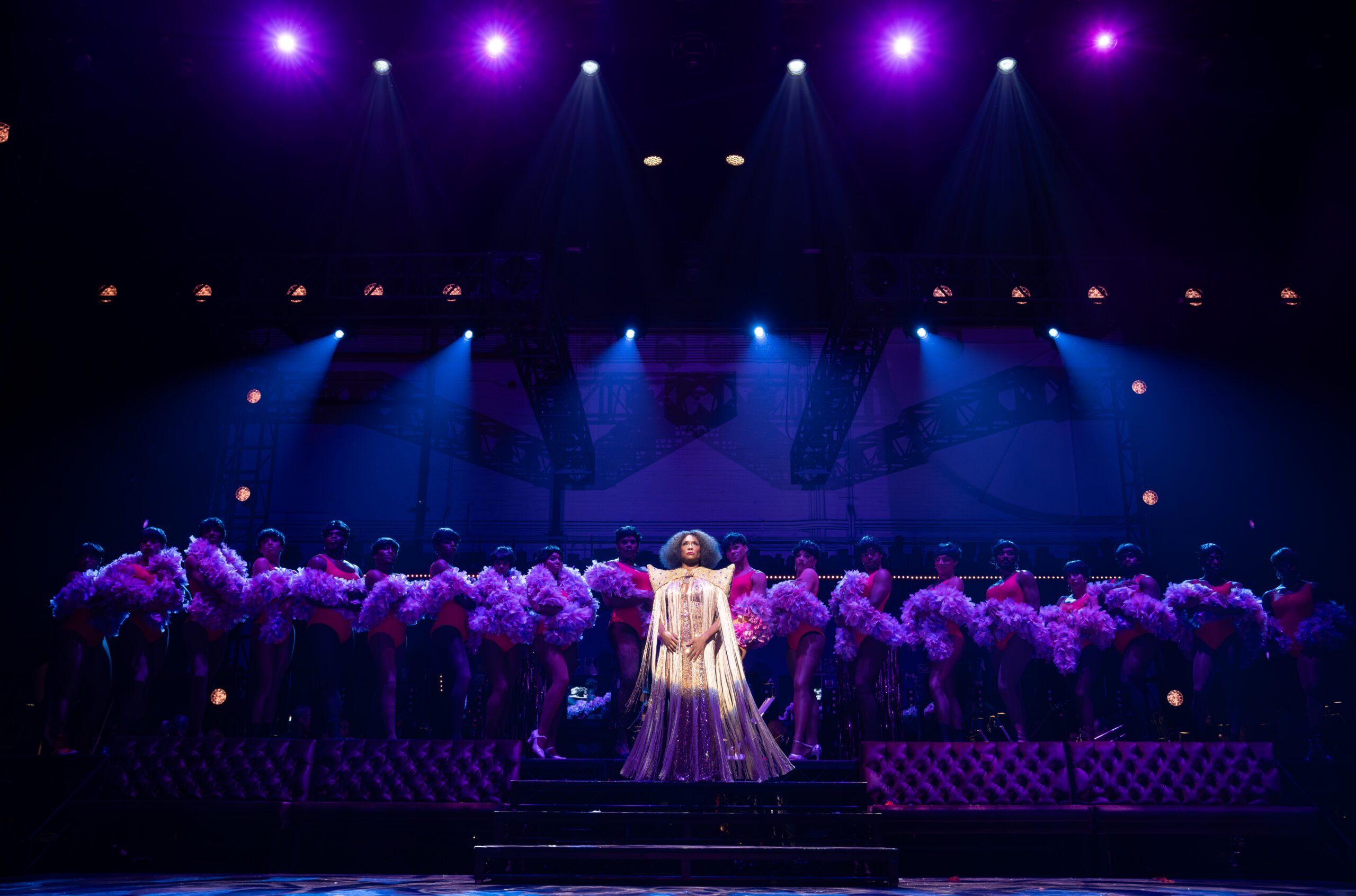
That trio holds this mixed production up when it falters, which it does from the problematic and disappointing opening number with Les Cagelles, the club chorines who open the show singing “We are what we are, and what we are is an illusion.”

Except there’s no illusion. O’Hara has assembled a cast of nineteen dancers, and they are clearly a diverse gender-expansive chorus in distinctly individual costumes. They also don’t have much room to move; set designer David Zinn takes up half the upstage with the great-sounding full orchestra (directed by Joseph Joubert).

 Where exactly is this show taking place, and when? That’s the production’s biggest problem, and so much of what O’Hara and choreographer Edgar Godineaux have conceived actively works against the text. Except for Tonya Pinkins, who goes all in with an overly strong accent as Jacqueline, the owner of the most popular restaurant in town, this production is as French as French salad dressing. The references in the ad-libs (Brady’s specialty) and the choreography are unquestionably American, and from no specific time frame either, though a flip phone is introduced in the second act to try to set some kind of marker.

The result is a production that feels like O’Hara and crew are trying to import the magic that recently reinvigorated Cats into La Cage aux Folles, and it doesn’t work. Unlike Cats, La Cage actually has a very strong, specific, human story, best exemplified by the lovely intimate moments between Porter and Brady. Ironically, this La Cage aux Folles succeeds most when it’s least overdressed. 


A dazzling pair of leading performances can’t quite reconcile a production that never decides where — or when — it wants to be.

★★★ 3 stars

Author Profile

The Recs RDC - Randall David Cook