But for all its talk of fantasy, this biodrama proves stubbornly literal. McGillicuddy has done his research and is clearly passionate about his subject, but too much of the script is unwieldy in its efforts to include so much external history at the expense of the inner life and workings of Fanny. Hints are given, but surely at times there was intense sibling rivalry between these two music prodigies. How could there not have been, especially since Fanny, who composed more than 450 pieces of her own, saw few of them published simply because of her gender?
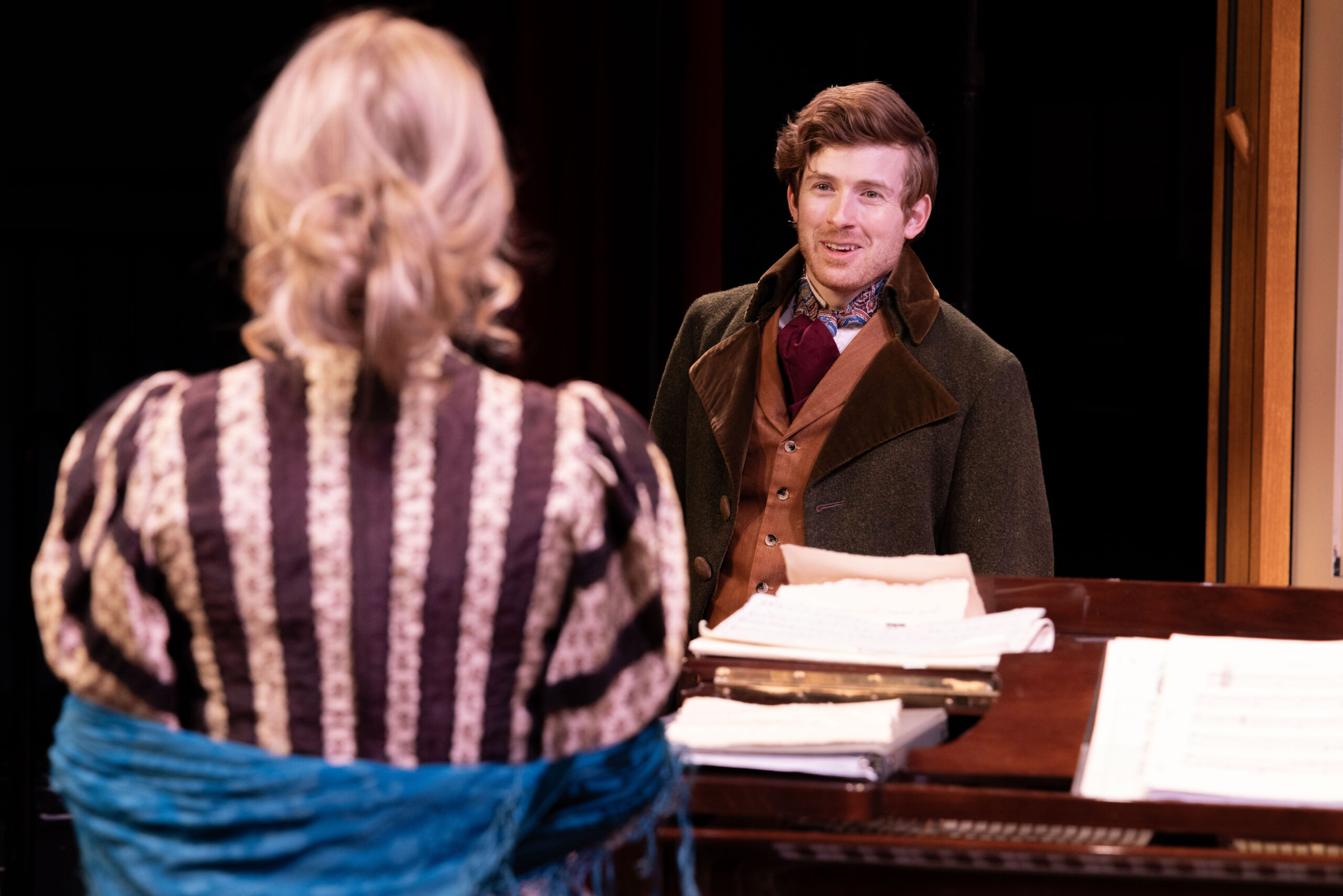
Unlike in Amadeus, where Mozart’s fellow creator Antonio Salieri suffers in the knowledge that he is a lesser talent, Fanny has no such issue; she and Felix acknowledge each other as equals and were apparently incredibly close. But in this script, Felix is vastly underwritten, a wandering footnote to what’s going on in Fanny’s life. It feels like a lost opportunity.
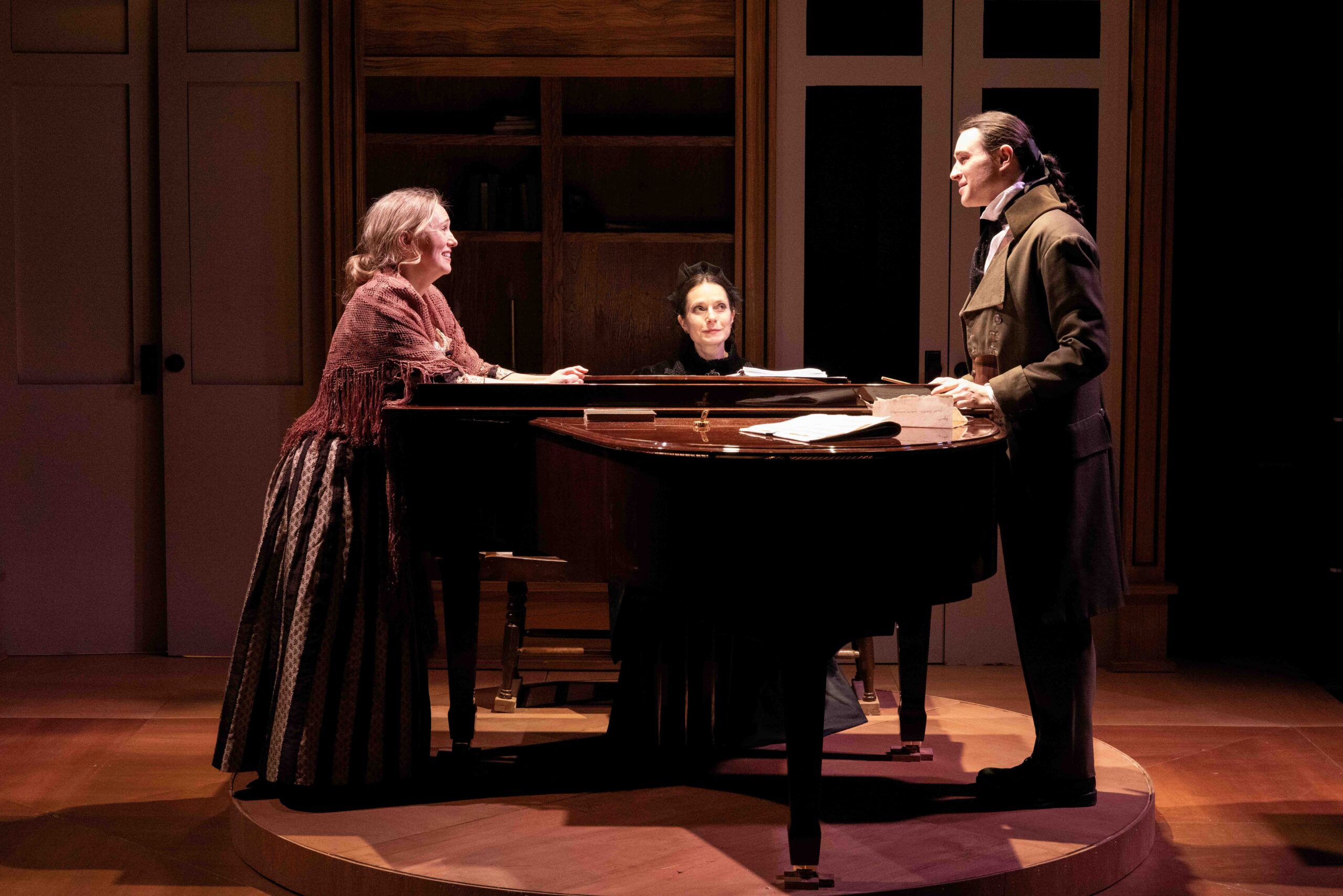
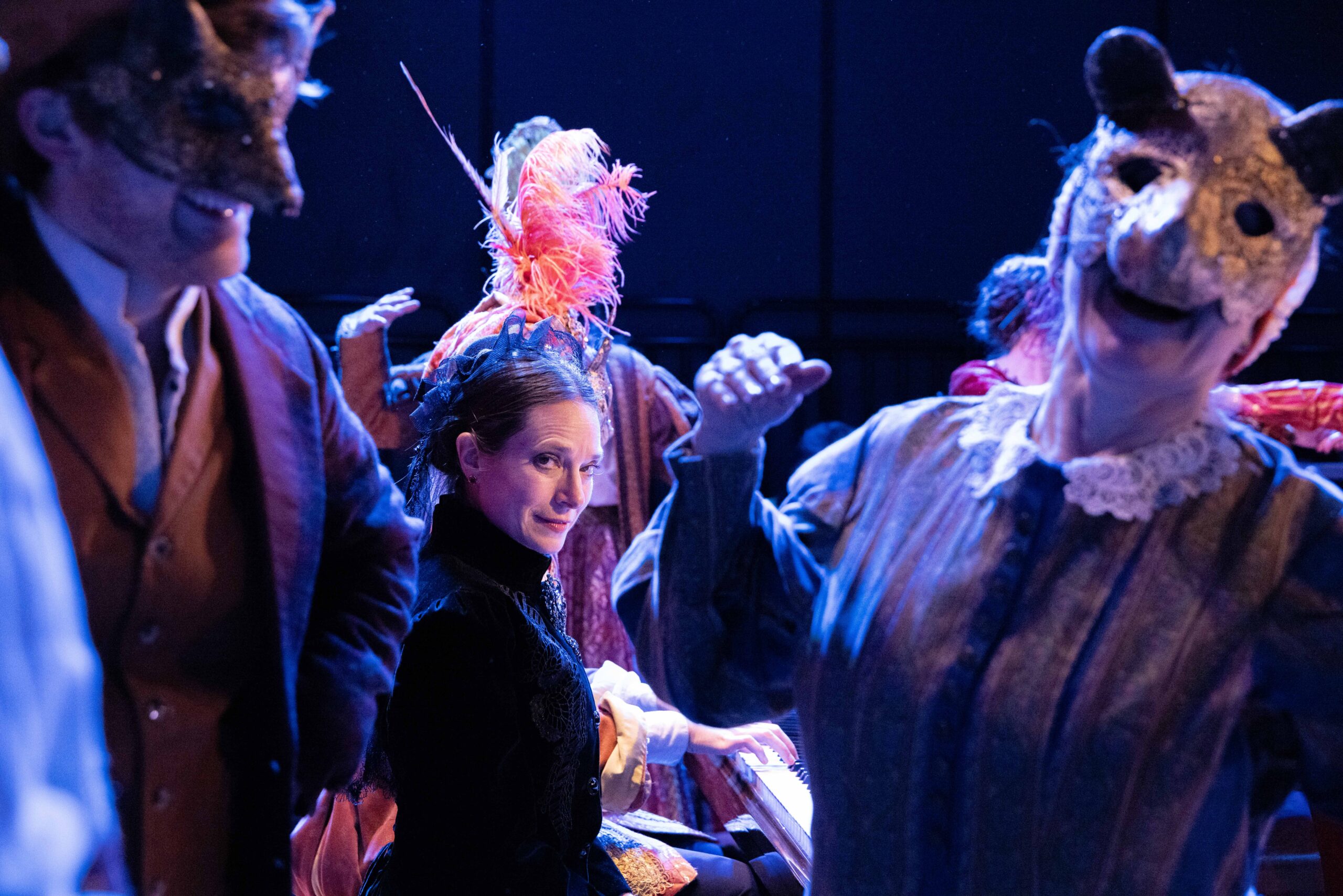
Instead, we get much more of Fanny’s parents, Abraham and Una, and her sister, Becka, and most of the production’s scenes take place in the parlors of their various apartments in Berlin in the second quarter of the 1800s. Somewhat unexpectedly, it’s when the characters leave those parlors that things go narratively off-course, save for a second-act interlude in Rome that galvanizes the entire production to a level of theatrical resplendency.
It’s in that Italian number that director George Abud, himself an acclaimed musical theater actor from The Visit, The Band’s Visit and Lempicka, is really able to ignite the show. Oddly, a few scene transitions early in the play lack musical underscoring when it’s most needed, and the production as a whole seems to take a while to warm up. At the start many of the actors can’t help but declaim their lines as to ensure themselves and the audience that they are — faw faw faw — playing real historical figures in a costume drama set two centuries ago. Fortunately, and perhaps it was initial nerves doing their dirty deeds, everyone settles in and ends up giving believable performances. Also slightly problematic: the worrisomely flimsy set, which made one wonder if one of the Mendelssohns was doomed to be crushed by a wall.
Enough naysaying. Time to change the tempo and highlight this show’s many virtues.