CQD to SOS: A Titanic Story ★★★★

Oliver Giggins’ ‘CQD to SOS: A Titanic Story’ tells the story of the ill-fated ship from a less familiar perspective
Is the Edinburgh Fringe truly the Fringe without another retelling of the Titanic story? There is something of a hubristic warning about the “unsinkable ship” that resonates with people even 114 years later. Blockbuster films such as A Night to Remember (1958) and James Cameron’s Titanic (1997) have etched the epic scale of the tragedy onto the collective subconscious. But the challenge for theatrical takes is twofold. Firstly, to find, for want of a better expression, a fresh angle. And secondly, to answer the challenge of how to scale down the story to fit a Fringe studio space without losing the impact of the deaths of around 1,500 souls.

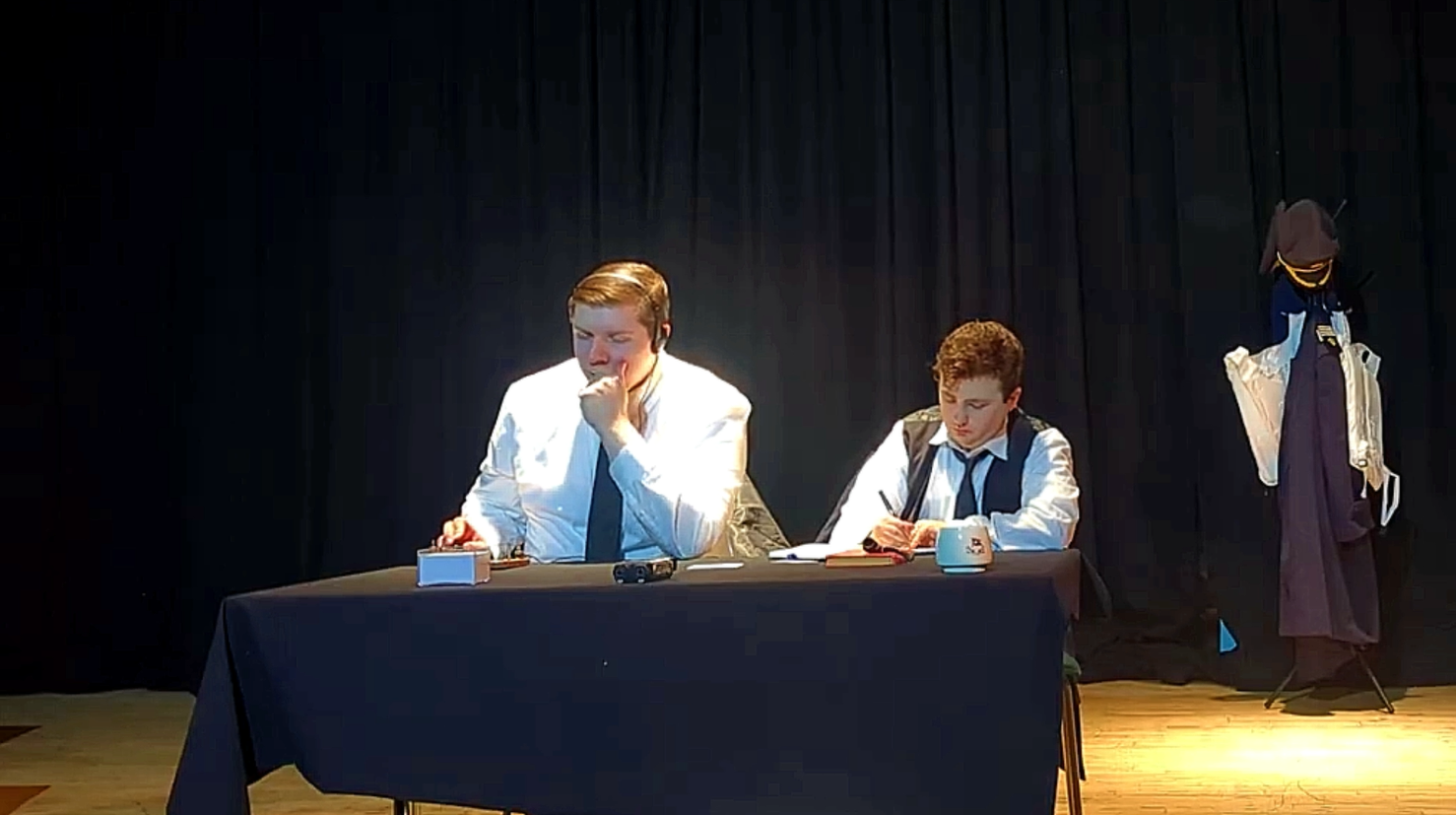
Wisely, CQD to SOS: A Titanic Story opts for a more intimate story, one of human endeavour and, indeed, unsung heroism. It focuses on the two wireless operators on board the RMS Titanic, Harold Bride and Jack Phillips, and the sole operator on the Carpathia, Harold Cottam. When the ship has hit an iceberg, and Captain Smith orders Bride and Phillips to send out a distress signal at 12:15am on 15 April 1912, the lives of more than 2,000 people in the freezing waters of the North Atlantic will depend on the frantic efforts of these three men, and, as it turns out, a radio set that had broken the day before.

While the sea on that fateful night was as smooth as a millpond, this script faces choppier waters. Very well researched, it is certainly packed with plenty of detail, but detail does not necessarily a drama make. There are nice touches: the mundanity of the passenger telegrams is in stark contrast to the desperate messages for help the operators will send mere hours later. And, despite knowing its inevitable fate, writer Oliver Giggins manages to incorporate notable tension as the protagonists work exhaustingly to send distress calls while events inexorably overtake their efforts.

However, the script occasionally founders on dialogue that feels, in delivery, a little too knowing. Early on, the junior radio operator muses, “What’s the worst that could happen?” and it jolts you out of the drama. Similarly, while it’s an interesting historical insight that the Marconi signal CQD was better known in 1912 than the SOS signal, which had been introduced four years previously, the drama is interrupted awkwardly for this information dump to be delivered to the audience.

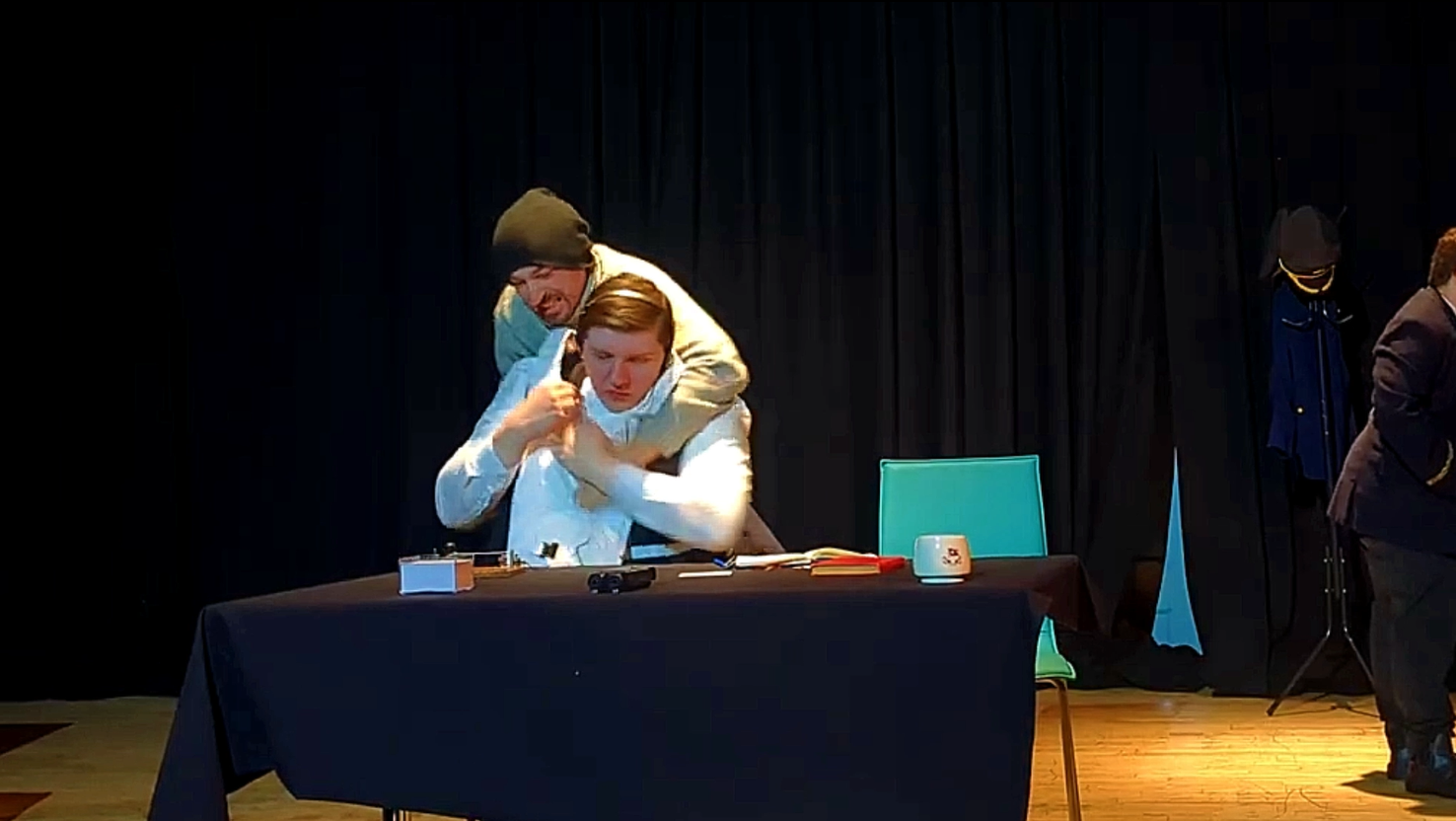
There are times when CQD to SOS: A Titanic Story feels like a radio play. By necessity, for most of the show, all three actors sit at two desks, making the production feel a little static. There is a moment when this is broken in melodramatic style. As the ship is sinking, a man creeps into the Marconi Room, almost like a silent-movie villain. If you were unaware of the story of a stoker trying to steal Jack Phillips’ life belt, it’s unlikely that this unconvincingly staged interlude will offer much illumination.

Where the play does shine is when Cottam, on the Carpathia, suddenly becomes the only voice on stage and the two Titanic operators sit in silence. It conveys what isn’t being heard, and why, in a powerful and subtle moment.

In terms of the cast, Daniel Drever gives a standout performance as Harold Bride, conveying the naivety and likeability of the junior wireless operator. While Fringe shows about the Titanic can sometimes feel rather exploitative, the abiding impression of CQD to SOS: A Titanic Story is of a heartfelt honouring of Harold Bride’s story and the heroic efforts of his two colleagues.

This production was reviewed in preview ahead of the Fringe via preview video

A fresh signal from a familiar tragedy ★★★★ 4 stars

Edinburgh Fringe Tickets


Tickets for this show and 3000+ other titles are available to buy online at the Fringe's website

Book Now

Author Profile

The Recs SCD - Steve Coats-Dennis