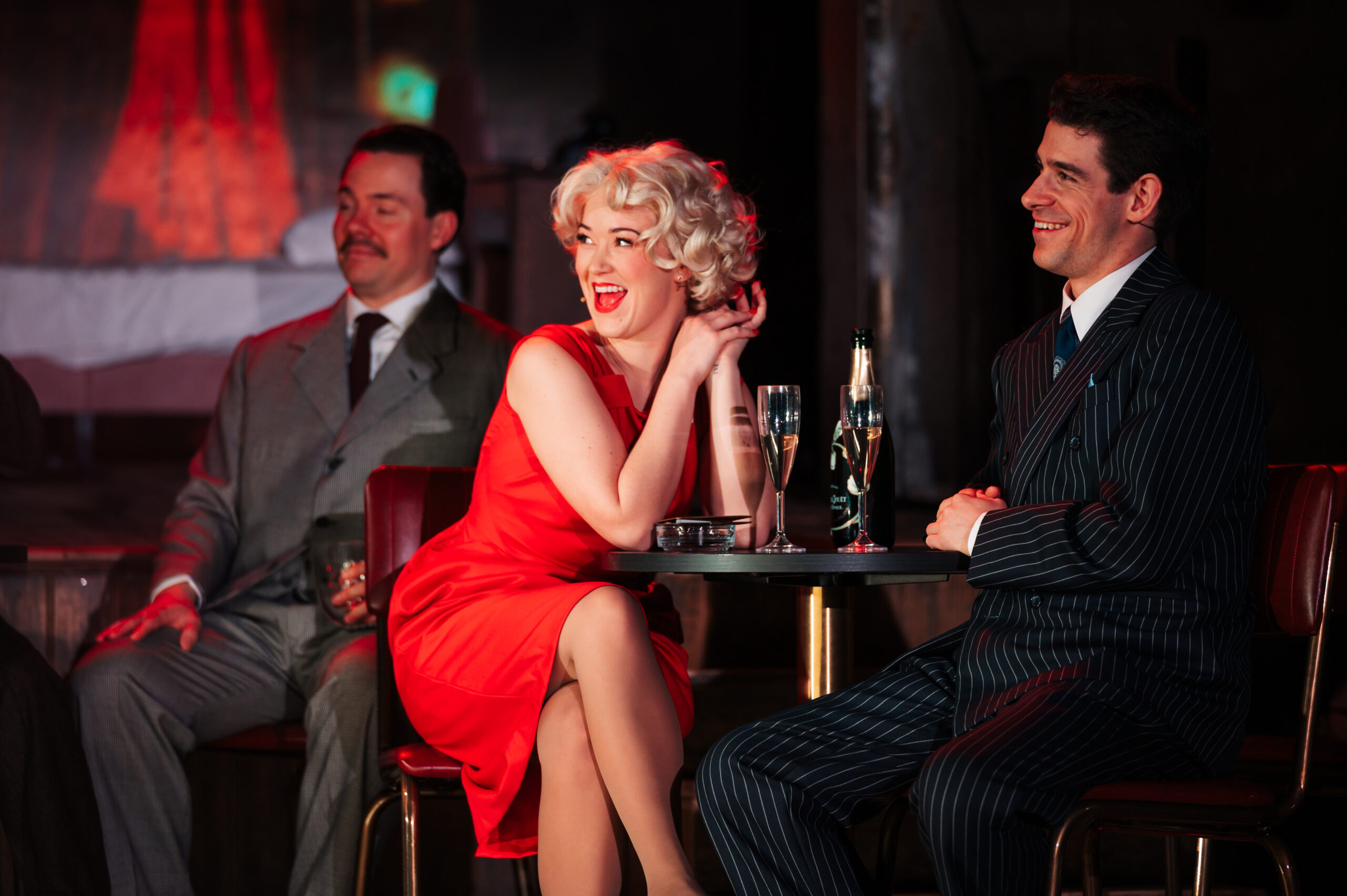
After a lengthy monologue where Simpson declares monotonously that she’s ‘not like the others’, the story cuts back to Ruth as a nightclub hostess and sex worker, played by Hannah Traylen. In both embodiments, Ellis’ outfits cosplay Marylin Monroe, rather than giving Ruth an identity of her own. A limited portion of this two-tier stage becomes the Hollywood Club, and a couple of jazzy numbers take place. By the third song, you wonder if all of the music is going to begin in the same key. Spoiler! It mostly does.
Here is where we meet Desmond Cussen (John Faal) and David Blakely (Connor Payne), two corners of Ellis’ love triangle. While wealthy accountant Cussen tries to romance her, Blakely and Ellis go home together. The first signs of abuse are revealed with a totally unbelievable stage slap choreographed by Rebecca Wield. In bed, Blakely rambles with boredom about his harsh upbringing and lack of money while Ellis forks out for him. For such important context to Blakely’s abuse and Ellis’ anxious attachment, Slocock rushes over this in a minute of plot-speaking and corny combat before the next scene declares they are suddenly madly in love. Occasionally, there is a throwaway sexist comment from Blakely and his friends (to try and ground this as a feminist story), but it lacks context and authenticity. If the script wasn’t so expository, there would be room to write in the humanity of these characters.
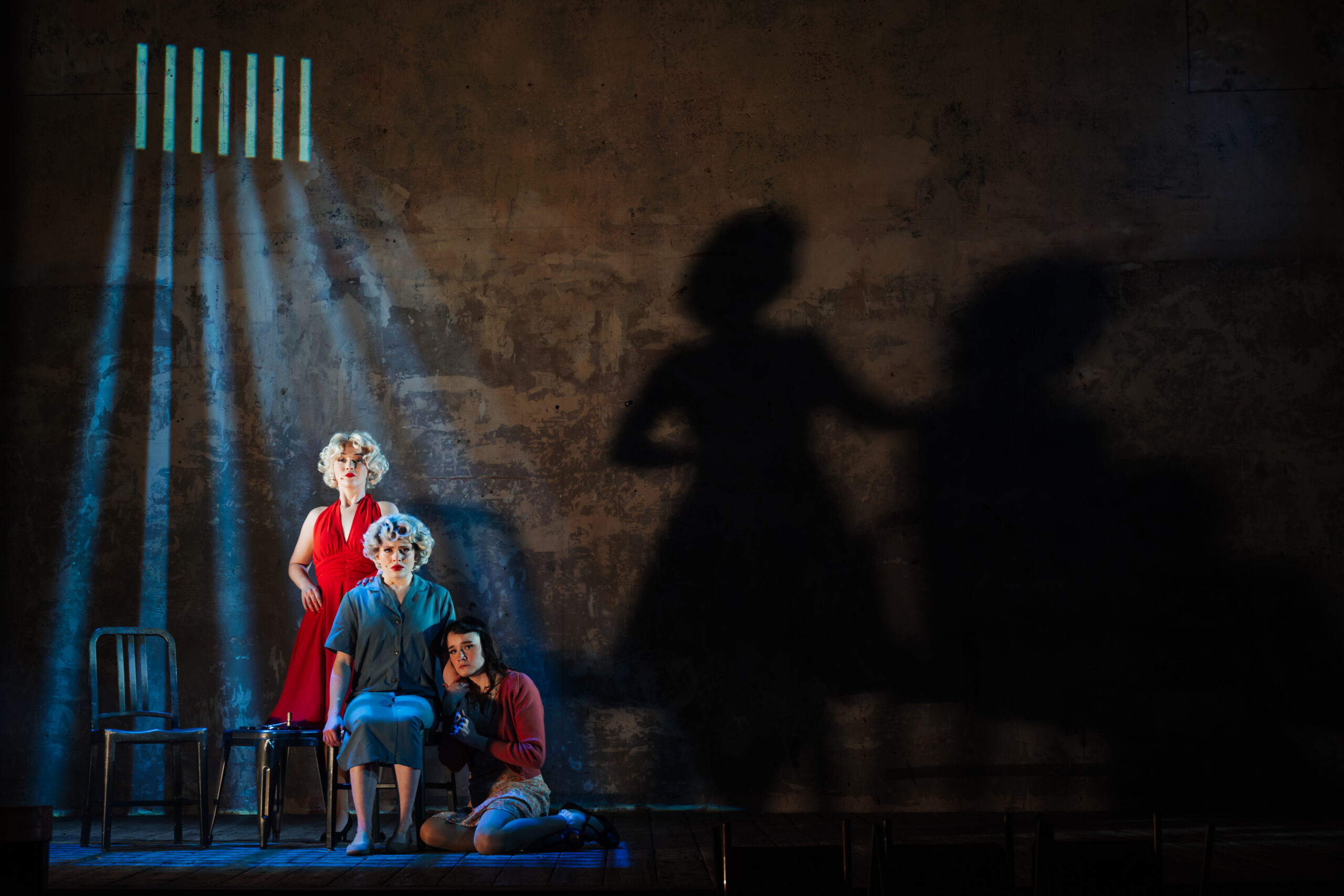
The production generally lacks the sensitivity, dramatic action and pacing needed for an engaging piece of political theatre. The script is written in fragments, cutting in and out of awkwardly directed scenes by Andy Morahan and Denise Silvey with the frequent attempt at a Les Mis’ ballad. The most political parts of Ruth’s life seem to be washed over (the death of her best friend, her father’s abuse, the killing of Blakely, Cussen’s involvement in the murder – to name a few), while time is otherwise wasted on stage. A crucial ten minutes are spent exploring her abuser’s love for racecar driving? A rockabilly song with Greased Lightning-esque choreo splutters into action. It feels shoved in to kill time; the lyrics repeat lines of previous dialogue. This happens in most songs. The lyrics add very little. This being said, the live band is strong, and the musicians create a wonderful sound in the acoustics of Wilton’s Music Hall. Also, Hannah Traylen and Bibi Simpson have impeccable voices. It’s just a shame that they are working with such uninspiring material.
Blakely is murdered in the first act. After the interval, the club turns into a courtroom, where a laborious attempt at Brechtian takes place. Paddy Duff and Freddy Williams, the solicitors (and previous nightclub regulars), address the audience in their monologues, stating cases for and against Ellis’ punishment, but they don’t seem entirely confident. The singular moment that saves this scene is a crude song performed by Alice Redmond. In it, she calls the men in the room ‘hippo, hippo, hippo-crites’ while mocking their simultaneous need and hatred for sex workers. Alice Redmond is a saviour of authenticity in this production, and if you’re looking for any reason to go, there it is.
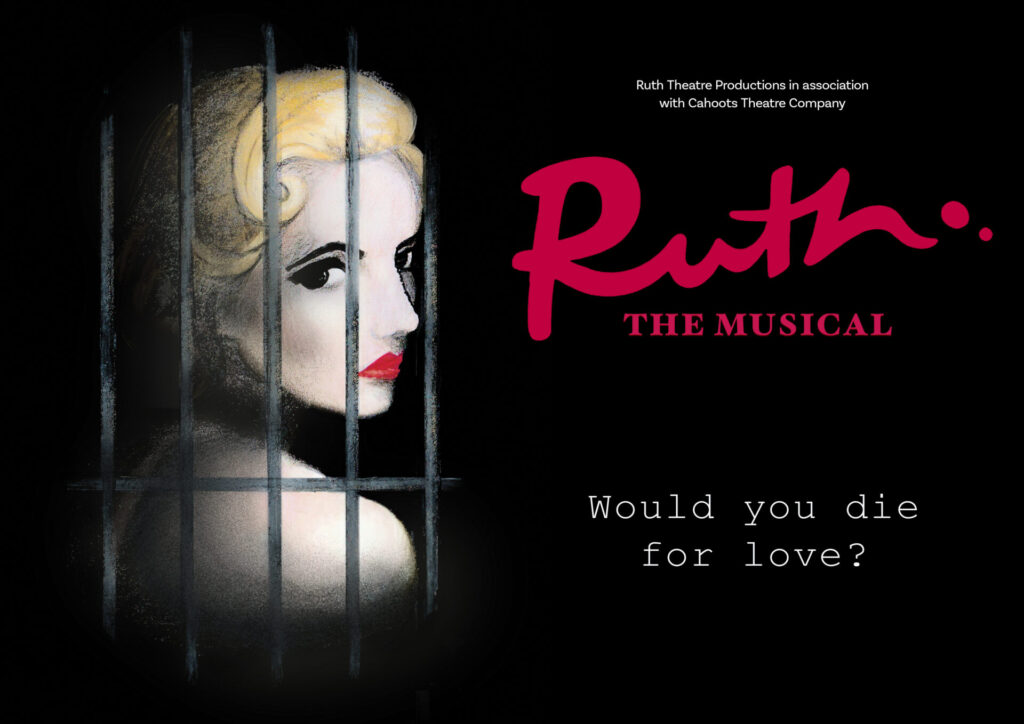
Ruth’s online poster asks: ‘Would you die for love?’ And this says everything it needs to about its flimsy message. It’s frustrating to see this marketed as a piece of feminist theatre, relevant in the #MeToo era, when Slocock’s writing of Ruth is fundamentally not feminist. In one of Ruth’s final lines, she tells her hangman, ‘You don’t understand; you’re not a woman.’ It’s a classic sexist phrase that gets mistaken for feminism because it places the woman in a seat of authority. But realistically, do women really murder differently than men? When women murder, can it only ever be an act of love or a crime of passion? It’s a reductive message, because it ignores the fact that, sometimes, women just react to male violence with violence. It shouldn’t have to be justified as an act of love because she’s a woman.